Stainless Steel Bar Hub
Compare bar grades, shapes, finishes, cutting and export supply options.
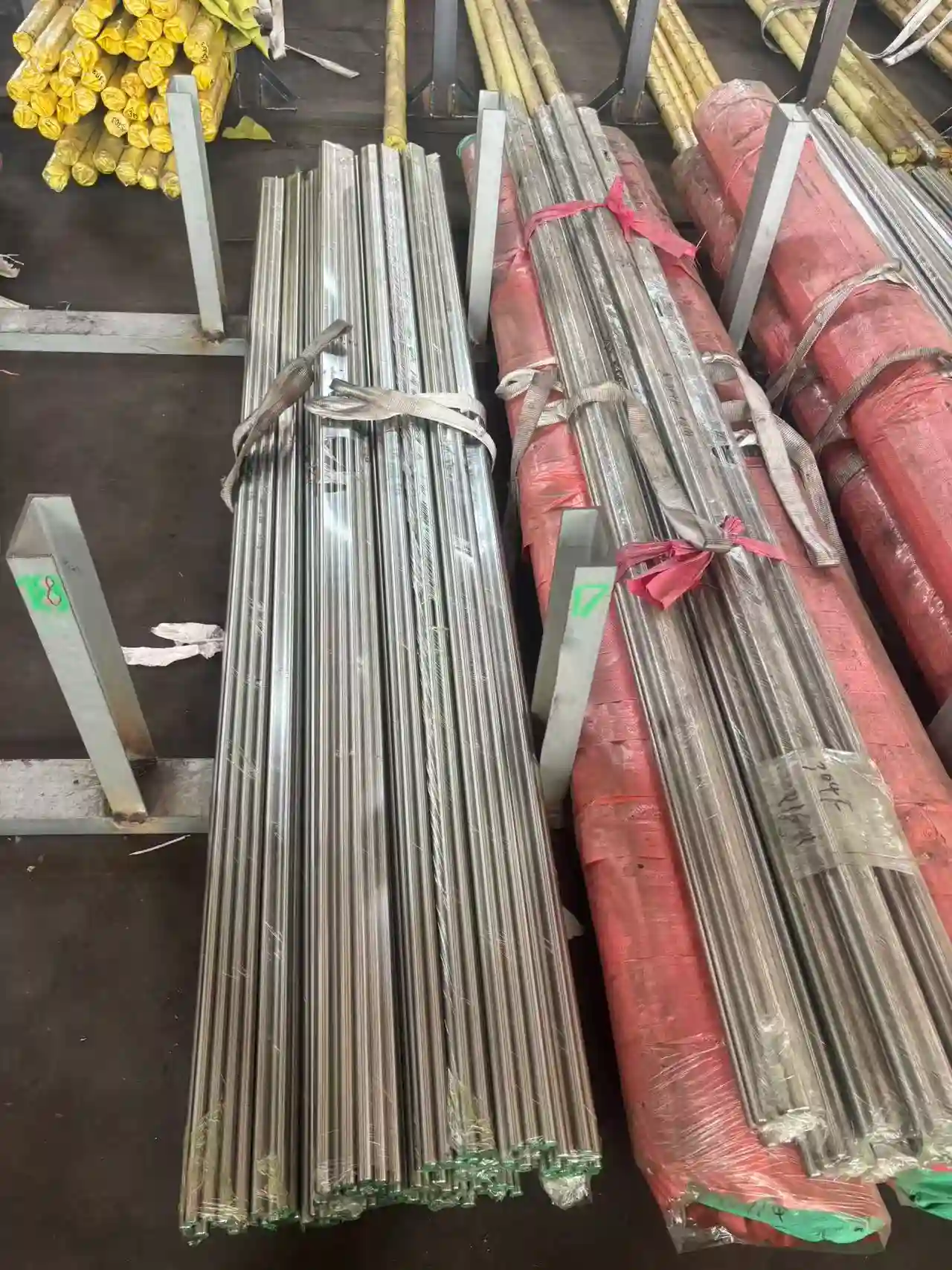
FX Stainless Steel supplies 316 and 316L stainless steel bar for machining, fabrication, coastal equipment and chemical-service parts. Buyers in Southeast Asia, the Middle East and other export markets can order round, hex, square or flat bar by standard, size, surface, tolerance and cut length. Send the required grade wording, quantity, MTC needs and destination so we can check stock, processing and packing options.
Mo-bearing grades
Supply forms
Common order standard
Batch traceability
Start with the exact grade and standard, then state the bar shape, dimensions, tolerance, surface, length and quantity. For 316/316L orders, the MTC should show the required carbon route and molybdenum range, while the Heat Number should match the bar or bundle label and packing list. Add PMI, special testing or third-party inspection only when the project documents require it.
Compare bar grades, shapes, finishes, cutting and export supply options.
See the diameter, surface and document details for dedicated 316L round bar orders.
Compare the general-purpose 304 route when chloride exposure is not the main risk.
| Order Item | Available Route | What to State in the RFQ |
|---|---|---|
| Grade wording | 316 / 316L / SUS316 / SUS316L / UNS S31600 / S31603 / EN 1.4401 / 1.4404 | Use the wording and standard shown on the drawing or PO |
| Standards | ASTM A276; ASTM A479 or ASME SA479 when specified; JIS G4303; EN 10088-3 | Include the required edition or project document where relevant |
| Forms | Round bar, hex bar, square bar and flat bar | State diameter, across-flats size, side size, or thickness × width |
| Supply condition | Hot rolled, cold drawn, peeled/turned, centerless ground, polished | Match the starting surface and tolerance to the machining plan |
| Processing | Cut-to-length, deburring, polishing and export packing | Give finished length, quantity, tolerance and packing restrictions |
| Documents | MTC, Heat Number, labels and packing list; PMI/XRF when agreed | State any certificate, inspection or traceability requirement before quotation |
Use the stainless steel bar weight calculator for round, hex, square and flat bar, then send the final size and quantity for quotation.
Round bar is the usual starting form. Diameter tolerance, straightness, surface route and machining allowance affect the final choice.
Hex or round bar may reduce machining depending on the final geometry. State the across-flats size and corner requirement for hex bar.
316/316L is often compared with 304 where salt-laden air, cleaning chemicals or chloride-bearing process conditions increase pitting risk.
Square and flat bar can start closer to the final profile. Buyers should state twist, camber, edge and cutting requirements.
316 and 316L share the same molybdenum-bearing grade family. The main ordering difference is the carbon limit, which matters when a drawing, welding procedure or end-user specification calls for the low-carbon grade.
| Purchase Point | 316 | 316L |
|---|---|---|
| Carbon limit | Typically 0.08% maximum under common ASTM chemistry | Typically 0.030% maximum under common ASTM chemistry |
| Common wording | 316 / UNS S31600 / EN 1.4401 | 316L / UNS S31603 / EN 1.4404 |
| Fabrication use | May fit non-welded or standard-carbon requirements | Often specified for welded or low-carbon requirements |
| Dual certification | Do not assume every heat is dual certified | Accept 316/316L dual certification only when the MTC chemistry and stated standard support it |
The purchase order and MTC should carry the exact accepted grade wording. A quotation saying only “316 equivalent” is not enough for a specification-controlled order.
A useful RFQ names the dimension that controls the final component. This prevents a generic bar quote from hiding the tolerance, edge or straightness requirement.
| Bar Form | Dimensions to State | Receiving Check |
|---|---|---|
| Round bar | Diameter, tolerance, length and surface | Diameter, straightness, roundness and end condition |
| Hex bar | Across-flats size, tolerance and length | Across-flats measurement, corner condition and twist |
| Square bar | Side size, tolerance and cut length | Side size, twist, corner condition and straightness |
| Flat bar | Thickness × width, edge and length | Thickness, width, camber, edge and surface condition |
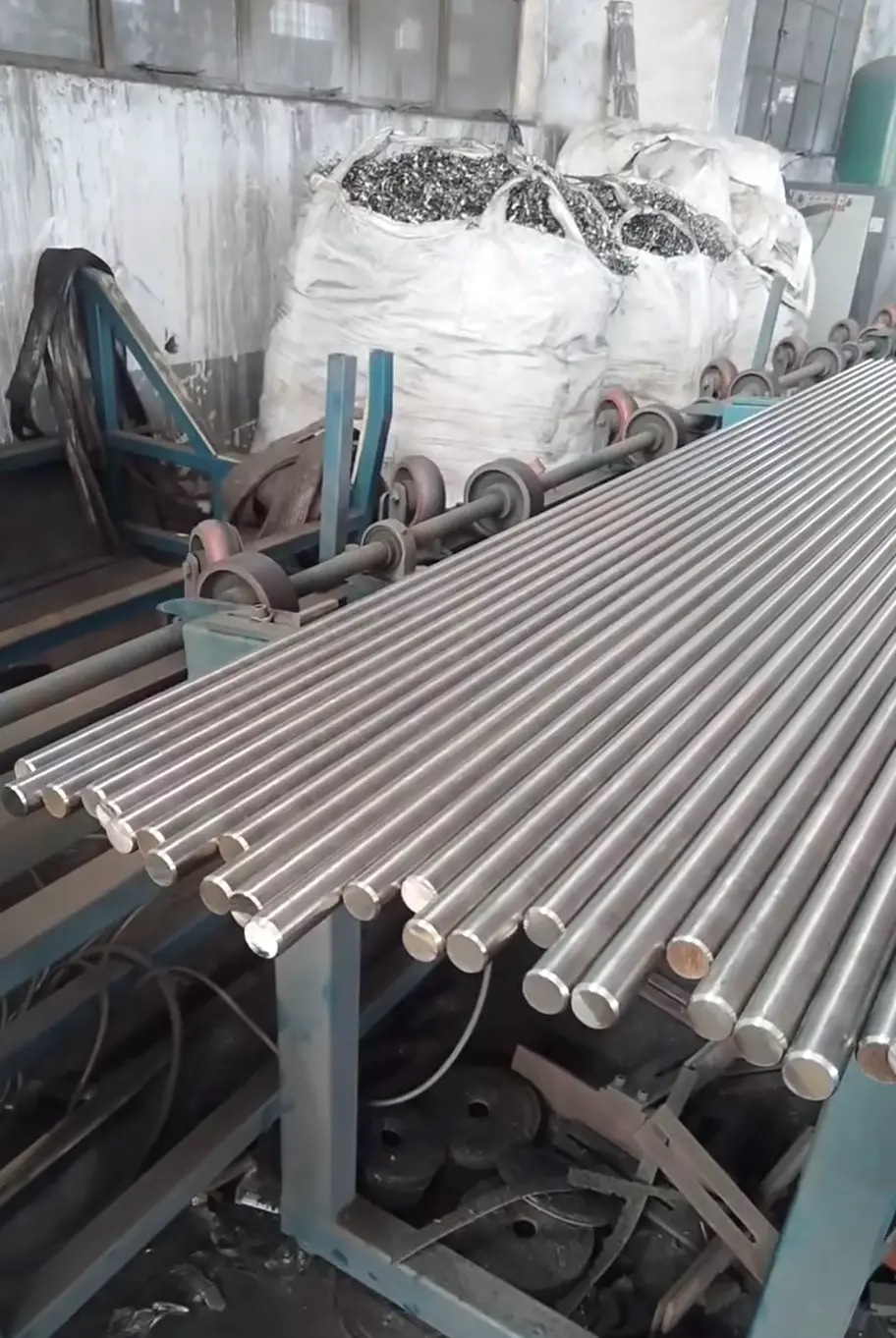
Hot-rolled bar suits jobs with heavier machining allowance. Peeled or turned bar removes the outer scale and gives a cleaner starting diameter. Cold-drawn bar offers a brighter surface and closer dimensional control, while centerless-ground bar is used when shafts or precision parts need a smoother surface and tighter diameter tolerance.
State the finished component size and minimum cleanup allowance instead of selecting a raw diameter by guesswork.
CNC feeding, long shafts and precision parts may need tighter straightness or diameter control than a general stock bar.
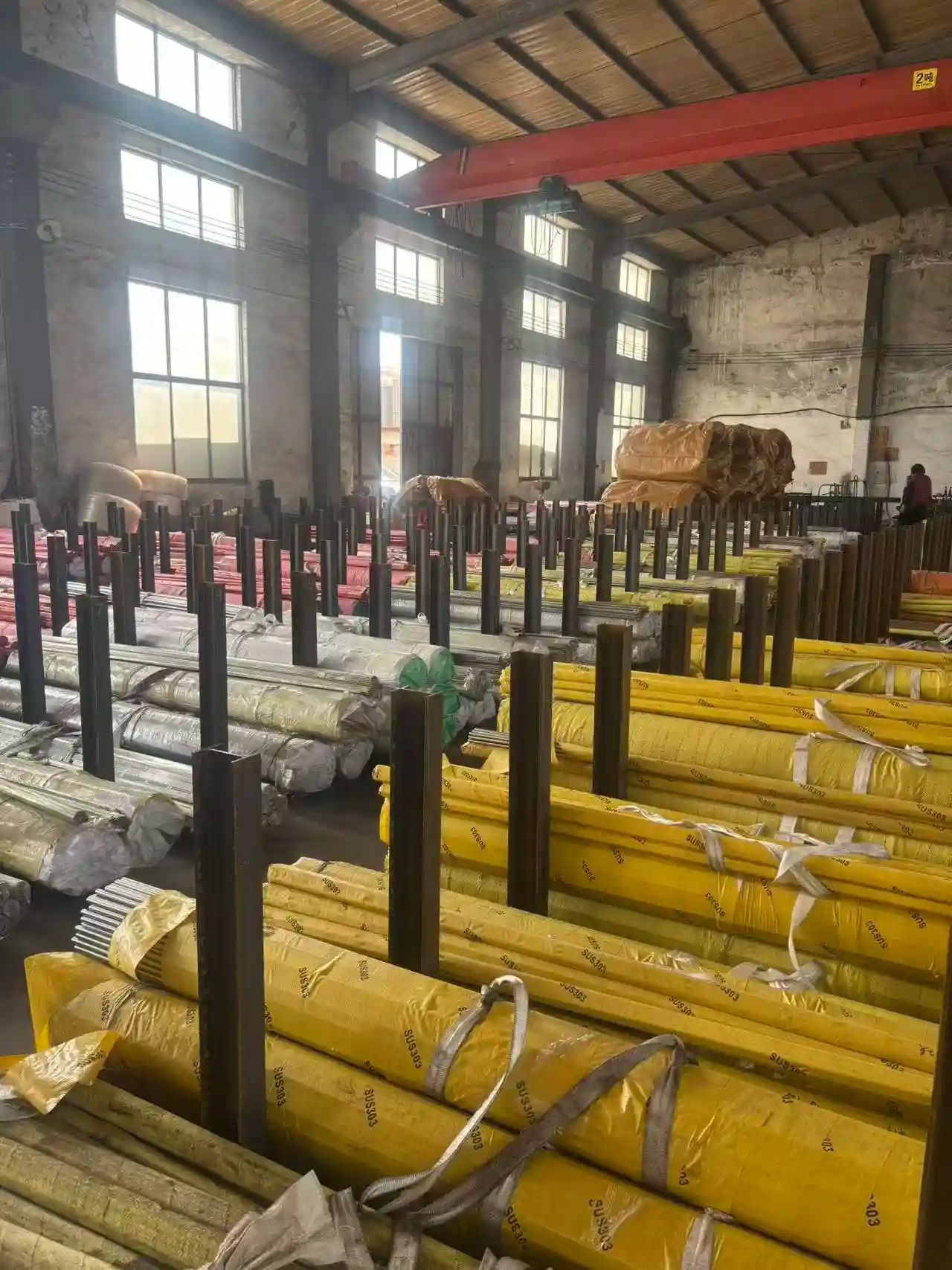
Give the cut length, length tolerance, quantity per bundle and destination. We coordinate end protection, bundle labels and moisture protection for sea freight.
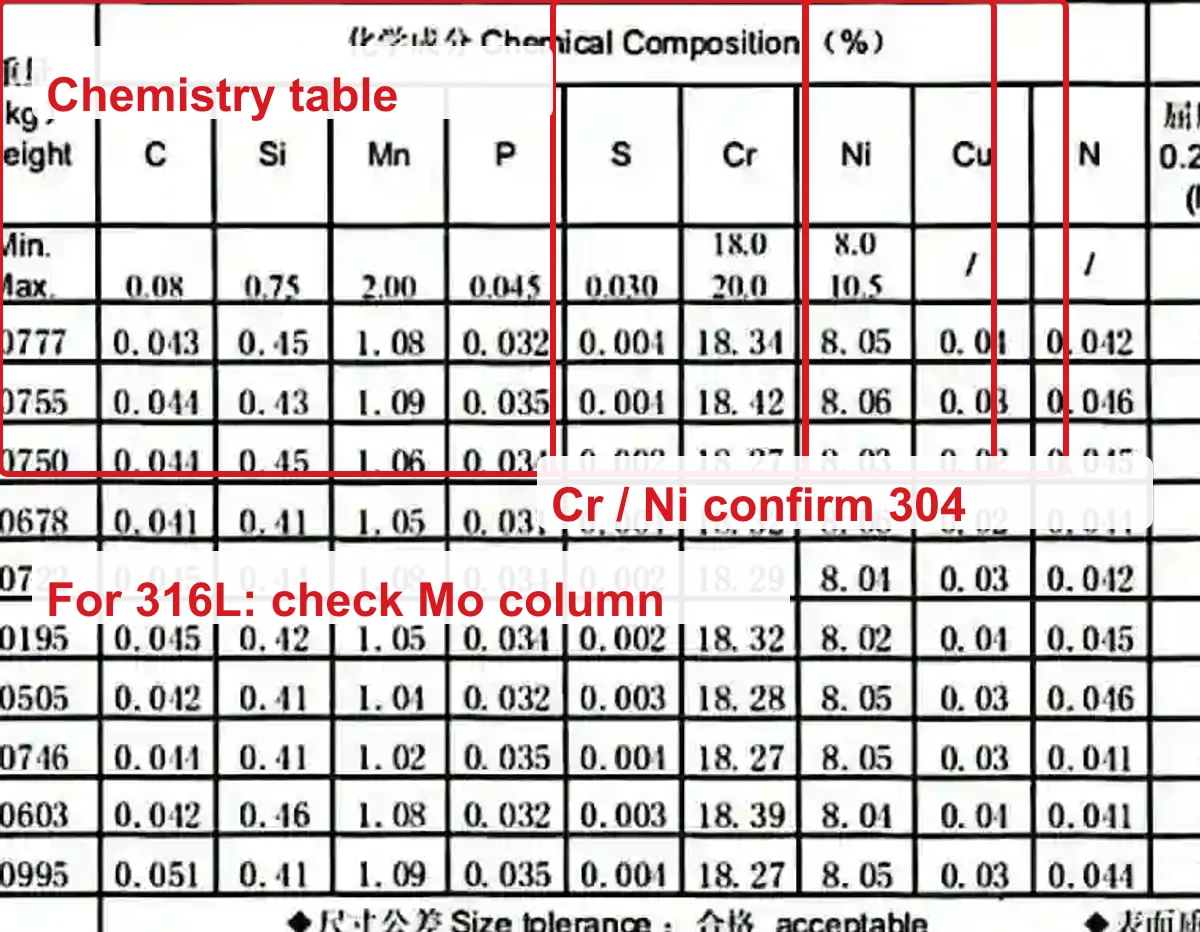
For 316/316L bar, read the actual carbon, chromium, nickel and molybdenum values on the MTC. Then match the Heat Number across the certificate, bar or bundle label and packing list. A broken match means the batch cannot be traced cleanly, even if every document says 316L.
These values establish whether the heat follows the required 316 or 316L chemistry under the stated standard.
The certificate, physical label and packing list should identify the same batch.
PMI/XRF, UT or third-party inspection can be arranged when agreed before the order. The test scope must follow the project requirement.
316L is not a universal marine or chemical solution. Service temperature, chloride concentration, stagnant crevices, stress and cleaning chemistry can move the material choice beyond this grade.
| Risk Condition | Why It Matters | Next Step |
|---|---|---|
| Warm seawater or concentrated chlorides | Pitting and crevice corrosion risk can rise quickly | Compare duplex, super duplex or another qualified alloy with the project engineer |
| Tight crevices and stagnant deposits | Geometry can create local conditions more severe than the bulk environment | Improve the design and drainage rather than relying on grade alone |
| Strong reducing acids | 316L may not suit the actual concentration and temperature | Use verified corrosion data and the end user's material specification |
| High-load chloride service | Stress corrosion cracking may become part of the material decision | Check temperature, stress, fabrication and lifecycle requirements together |
No stainless grade should be approved from a product page alone. Final selection belongs with the project specification and actual service conditions.
A complete inquiry lets us separate stock supply from material that needs cutting, grinding, polishing or special inspection.
| RFQ Field | Example | Why It Changes the Quote |
|---|---|---|
| Grade and standard | 316L, ASTM A276 or ASTM A479 as specified | Controls material wording and certificate route |
| Shape and size | Round Ø25 mm; hex AF22 mm; flat 8 × 40 mm | Determines stock form, weight and processing |
| Surface and tolerance | Peeled, cold drawn, ground h9, or drawing tolerance | Changes the production route and machining allowance |
| Length and quantity | 3 m bars or 280 mm cut pieces; total kg or pieces | Affects cutting, bundle size and loading |
| Documents and inspection | MTC, Heat Number labels, PMI or third-party witness | Sets traceability and inspection scope |
| Destination and packing | Port Klang, Bangkok, Jebel Ali or another destination | Helps set bundle length, moisture protection and shipping marks |
Dedicated diameter, finish and application information for 316L round bar.
Across-flats sizes and purchasing points for hexagonal bar.
Thickness, width, edge and cut-length details for flat bar.
A higher-strength route to compare when 316L is not enough for the specified chloride conditions.
Estimate theoretical weight by shape, dimensions, length and quantity.
Check grade wording, chemistry, Heat Number, labels and packing list before release.
We supply round, hex, square and flat bar through stock and processing routes. Availability depends on the exact grade, shape, dimensions, surface, tolerance, cut length and quantity.
316L has a lower carbon limit than 316. It is commonly specified for welded parts or when the drawing, PO or end user requires the low-carbon grade. Both grades contain molybdenum, but the MTC must support the exact ordered wording.
Yes, when the mill certificate and chemistry meet the requirements for both grade designations under the stated standard. Dual certification must be confirmed from the actual heat and MTC; it is not automatic for every 316L bar.
MTC and Heat Number traceability are available for confirmed batches. PMI/XRF or third-party inspection can be added when the scope, timing and cost responsibility are agreed before the order.
It depends on temperature, chloride level, flow, deposits, crevices, stress and maintenance. Warm or stagnant seawater can exceed the practical corrosion margin of 316L, so the project engineer may need to compare duplex, super duplex, another alloy or a design change.
Yes, for selected stock sizes. MOQ from 100kg depends on grade, shape, dimensions, surface, cutting, packing and current availability; it does not apply to every special size or production route.
Share the standard, shape, dimensions, surface, tolerance, length, quantity, MTC or inspection needs and destination. We will check stock availability, processing, batch documents and export packing for your order.
Contact FX Stainless Steel