
Import Stainless Steel Bars into Vietnam: 2026 Buyer Guide
Learn how Vietnam buyers can import stainless steel bars from China with clearer control over ASTM standards, Form E, MTC review, customs documents and port planning.
In This Guide
- Introduction
- Quick Answer
- Why Vietnam Buyers Usually Need More Than a Simple Quote
- Understanding Material Standards in Vietnam Projects
- Documents That Matter for Vietnam Import Orders
- HS Classification and Customs Review
- Form E: Helpful, but Only When the Order Is Prepared Properly
- Shipping from China to Vietnam Ports
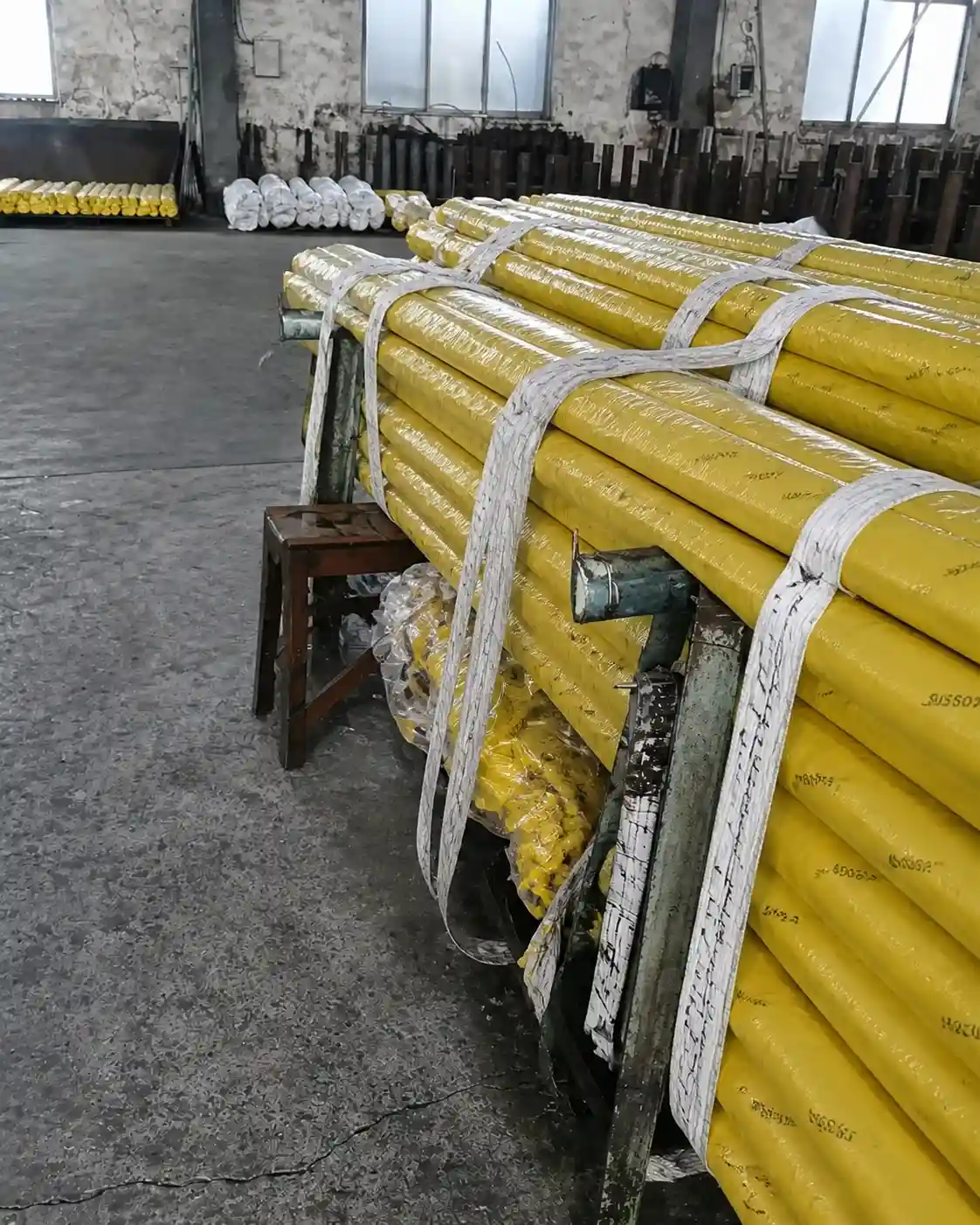
- Packing for Stainless Steel Bar Export to Vietnam
- Vietnam Buyer Checklist Before Placing the Order
Introduction
For many Vietnam buyers, price is only the first filter. The real questions come next. Will the material meet the required standard? Will the documents pass customs review? Can the supplier support Form E if the order qualifies? Can the shipment plan work for Cat Lai, Hai Phong or other Vietnam ports without unnecessary delay?
That is why importing stainless steel bars into Vietnam is not only a sourcing task. It is also a standards, documents and delivery-coordination task. A supplier who understands those steps can save the buyer time, rework and avoidable customs friction.
Quick Answer
If you only need the short answer, here it is.
- confirm the grade, bar shape and standard first
- check whether the project requires ASTM A276, ASTM A484 or JIS G4303
- ask for Mill Test Certificate (MTC) support before shipment
- confirm whether Form E can be issued for the order
- review packing, port plan and final document list before cargo departure
The import process becomes much smoother when these points are handled before booking, not after the goods arrive.
Why Vietnam Buyers Usually Need More Than a Simple Quote
In industrial areas such as Bac Ninh, Binh Duong and Dong Nai, buyers often work under project timelines, QA review and internal purchasing controls. They may need a quotation quickly, but they also need confidence that the order can move through the next stages without a document problem.
That is why a useful stainless steel bar quote for Vietnam should not stop at grade and weight. It should also be able to support:
- applicable product standard
- bar size and tolerance confirmation
- MTC review
- origin document review
- packing and shipment coordination
Understanding Material Standards in Vietnam Projects
Many Vietnam projects follow international or mixed-source engineering standards. In practice, buyers often need to review the order against ASTM A276, ASTM A484 or JIS G4303, depending on the end customer and project background.
For example:
- 304 round bars are common in fabrication, food equipment and general industrial parts
- 316L bars are more common when corrosion resistance matters more, including coastal or chemical-use environments
- Japanese-invested projects may pay closer attention to JIS references
- export manufacturing buyers may ask for standard wording that matches internal QA templates
This is also why the Mill Test Certificate (MTC) matters early. If the certificate does not match the ordered grade, heat number and standard language, the customs side may not be the only issue. The buyer may face internal quality rejection as well.
If the material review is still open, buyers can compare 304 stainless steel bar options and 316 stainless steel bar options before final confirmation.
Documents That Matter for Vietnam Import Orders
The most common export and import documents are familiar, but buyers should still confirm the exact requirement for each shipment.
The usual document set includes:
- commercial invoice
- packing list
- bill of lading
- Mill Test Certificate (MTC), often reviewed against EN 10204 3.1
- certificate of origin when required
For many Vietnam buyers, Form E is one of the most important document questions. It may help support preferential treatment under the ASEAN-China free trade framework when the order meets the origin and declaration requirements. But it should be treated as a compliance item, not as an automatic tax promise.
In simple terms, a supplier should not say only yes, we can give Form E. A serious supplier should also check whether the order structure, document flow and origin basis are aligned well enough for the importer to use it properly.
HS Classification and Customs Review
This is one of the easiest places for a shipment to become slow.
Different bar grades, shapes and processing conditions may affect customs classification. That is why buyers should not rely on a copied HS code from an old order without checking whether the current product is truly the same.
A practical rule is simple:
- confirm the bar description clearly
- confirm the form: round, hex or square
- confirm the grade
- confirm the finished condition
- let the importer-side customs broker review the final classification before shipment
That step is often more useful than arguing about the code after the goods are already moving.
Form E: Helpful, but Only When the Order Is Prepared Properly
The keyword Form E certificate for stainless steel import Vietnam has strong buyer intent for a reason. Buyers search it when they are close to ordering and want to know whether the paperwork can support a better landed cost.
The right way to explain it is this:
- Form E can be valuable for Vietnam import planning
- it may support preferential treatment where the shipment qualifies
- the final result depends on origin status, document consistency, declaration handling and importer-side customs review
This is why Form E should be planned before shipment, not requested casually after the paperwork is already fixed.
Shipping from China to Vietnam Ports
For Vietnam orders, port planning is usually straightforward, but it still needs coordination. Buyers commonly ask about Cat Lai, Hai Phong and sometimes Da Nang depending on the destination region.
For some China-to-Vietnam routes, sea transit can be relatively short compared with longer Southeast Asia lanes. But actual timing still depends on:
- origin port
- destination port
- vessel schedule
- cargo readiness
- customs handling
- local delivery arrangement
That is why the better question is not only how many days. The better question is whether the supplier can keep the material, packing and documents ready in time for the chosen sailing.
Packing for Stainless Steel Bar Export to Vietnam
Packing is easy to underestimate. A bar shipment that arrives with surface damage, moisture exposure or unclear bundle identification can create trouble even if the chemistry is correct.
For export bar orders, buyers should review:
- moisture-resistant export packing
- clear bundle or piece marking
- heat number traceability
- quantity breakdown by size
- whether mixed sizes will be loaded together
This matters even more for cold drawn stainless steel bars, bright bars and precision-use material.
Vietnam Buyer Checklist Before Placing the Order
Before final confirmation, the buyer should check these points:
1. grade and standard are clearly written 2. bar shape, size and finish are confirmed 3. MTC support is confirmed 4. Form E feasibility is reviewed 5. invoice, packing list and B/L details are aligned 6. customs classification has been reviewed with the importer or broker 7. destination port and shipment plan are confirmed
That checklist is simple, but it prevents many avoidable problems.
Conclusion
Importing stainless steel bars into Vietnam does not need to be complicated. But it does need the right sequence. Standard first. Document review next. Then port planning and shipment execution.
If a supplier understands ASTM A276, Form E, MTC, customs coordination and Vietnam port planning, the buyer gets more than a price. The buyer gets a cleaner order process.
Frequently Asked Questions (FAQ)
Q. What standard is commonly requested for stainless steel bar in Vietnam projects?
A. Many buyers review stainless steel bar orders against ASTM A276, ASTM A484 or JIS G4303, depending on the project background and customer requirement.
Q. Does Form E always reduce import tax in Vietnam?
A. No. Form E may support preferential treatment when the shipment qualifies, but the final result depends on origin compliance, document consistency and customs-side review.
Q. What documents should I ask for before a stainless steel bar shipment leaves China?
A. At minimum, buyers usually review the commercial invoice, packing list, bill of lading, MTC and certificate of origin when needed.
Q. How should I estimate shipping time to Hai Phong or Cat Lai?
A. Use it as a route-planning discussion, not as a fixed promise. Actual timing depends on vessel schedule, cargo readiness, port choice and customs handling.
CTA
If you are planning a stainless steel bar order for Vietnam, send the grade, bar shape, size, finish, quantity and destination port to FX Stainless Steel. We can help review the quotation basis, Form E readiness and document list before shipment.