
How Cold Drawn Stainless Steel Bars Are Made in Our Family Mill
See how cold drawn stainless steel bars move from incoming material and die drawing to straightening, inspection, custom cutting and export packing.
In This Guide
- Why the process matters to a bar buyer
- Quick answer
- Workshop video: cold drawing in real production
- The cold-drawing route from incoming bar to finished bundle
- What cold drawing changes, and what it does not guarantee
- Round, hex and square bars need different measurement wording
- Capability range and order boundaries
- MTC and dimensional inspection answer different questions
- Custom cutting, trial orders and export packing
- Cold drawn, peeled, ground and hot-rolled bar are not the same route
- RFQ wording example
- Common ordering mistakes
- What buyers should take away
- Request a cold drawn bar quotation
Why the process matters to a bar buyer
A bright surface can make two stainless steel bars look similar in a warehouse. They may still behave differently in a bar feeder, collet or first machining operation. The useful questions are how the bar reached its supplied size, what changed during drawing and which characteristics were actually measured.
At our family mill, cold-drawn orders begin with the buyer's grade, shape, size, tolerance, length and quantity. Those details determine the incoming stock, die route, number of passes and inspection plan. This article follows that practical sequence. It does not treat cold drawing as automatic proof of h9 tolerance, perfect straightness or a finished-shaft surface.
Quick answer
Cold drawn stainless steel bar is made by pulling prepared bar through a die at room temperature. The die reduces and controls the cross-section, while the cold work generally improves size consistency and surface condition compared with basic hot-rolled stock. A production route may use one pass or several passes, with intermediate preparation or heat treatment when the grade and reduction schedule require it.
Before ordering, confirm six points: grade and standard, nominal size and limits, bar shape, straightness or form requirements, cut length, and the inspection documents needed before shipment. Cold drawing describes the process. The purchase order must still define the result.
Workshop video: cold drawing in real production
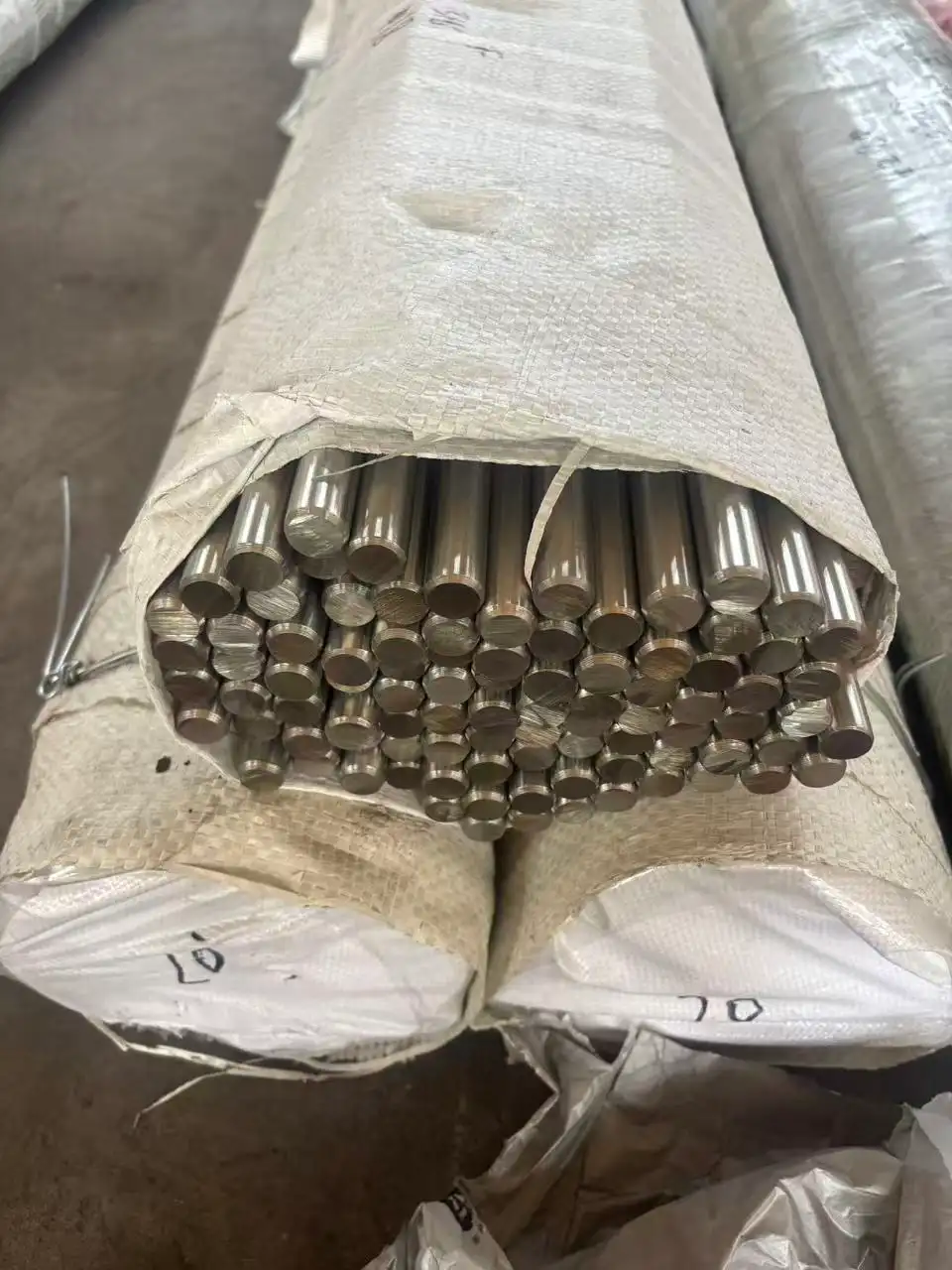
This short workshop video shows stainless steel bar passing through the drawing setup. It is evidence of the process route used in our family mill, not a tolerance result for every diameter or batch.
The cold-drawing route from incoming bar to finished bundle
The exact route varies with grade, starting size, final shape and reduction. A typical order passes through the following stages.
| Stage | What happens | What the buyer should define or receive |
|---|---|---|
| Incoming material | Starting bar or rod is selected by grade, heat and suitable starting dimension | Grade, standard, MTC and heat-number identity |
| Surface preparation and pointing | Scale or surface contamination is removed as required, and one end is reduced so it can enter the die | Ordered surface condition and any restrictions on preparation residues |
| Die drawing | The bar is pulled through a round, hex or square die in one or more passes | Final nominal size, tolerance and shape wording |
| Route adjustment | Further preparation, another pass or heat treatment may be used when the reduction and grade require it | Required delivery condition and mechanical-property wording |
| Straightening and cutting | Drawn lengths are straightened and cut to full or fixed length | Straightness basis, cut-length tolerance and end condition |
| Inspection and packing | Dimensions, surface, identity and packing are checked against the order | Inspection record where required, matching labels, MTC and packing list |
1. Confirm the incoming material first
Cold drawing changes dimensions and mechanical condition; it does not create the stainless steel grade. The incoming heat must therefore match the ordered grade before processing starts. For 304, 304L, 316L or another grade, the heat number on the mill certificate provides the link to the starting material.
ASTM A276 and the general dimensional requirements of ASTM A484 may appear on stainless steel bar orders where applicable. The buyer should state the exact standard and grade wording required by the drawing or project instead of writing only “stainless steel bright bar.” JIS, EN or another standard route should be named when that is the contractual basis.
2. Prepare the surface and point the leading end
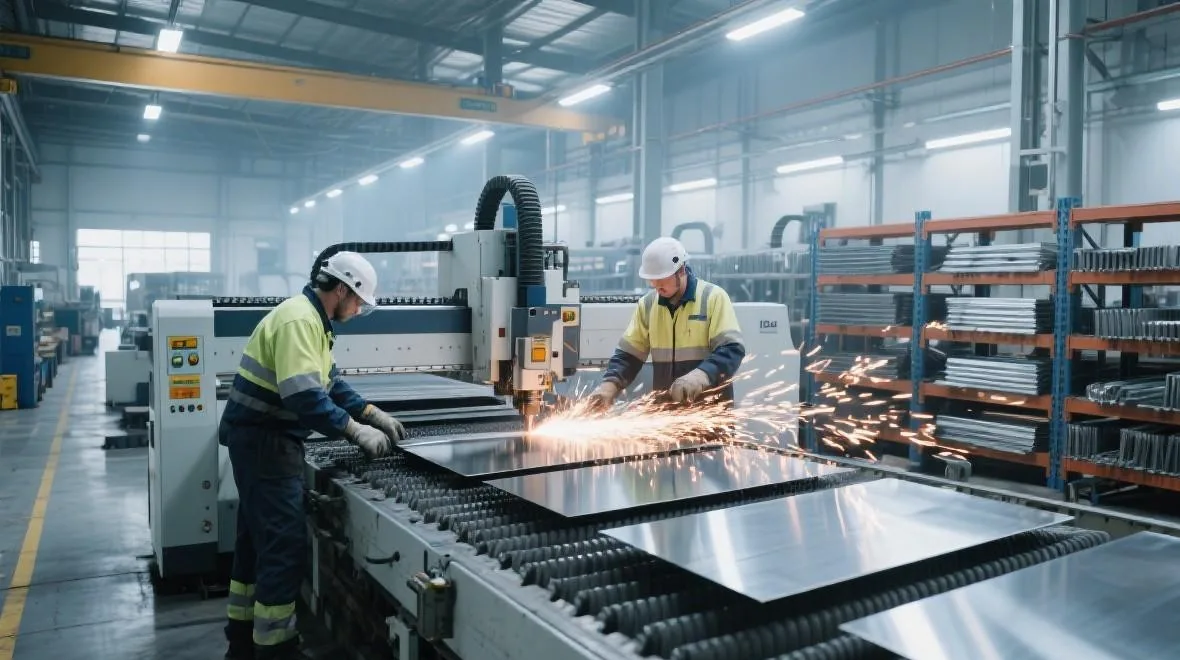
The starting bar needs a suitable surface before it enters the die. Preparation may remove scale and material that would otherwise damage the die or mark the drawn surface. The leading end is pointed or reduced so it can pass through the die and be gripped by the drawing equipment.
Lubrication and preparation methods depend on the process route. Buyers with cleanliness restrictions or a downstream coating, welding or medical-equipment process should state those requirements before production rather than assume every bright-bar route uses the same preparation.
3. Draw through the die
The die opening controls the reduced cross-section. Round bar is specified by diameter, hex bar by width across flats, and square bar by side size. The starting stock, die geometry, reduction and pulling setup all affect the supplied result.
A large reduction may require several passes rather than one aggressive pass. The bar may need further preparation between passes. This is why a special size can carry a different MOQ and setup cost from a selected stock size even when both are the same grade.
4. Use heat treatment only when the route requires it
Cold work raises strain in the metal and can increase strength and hardness while reducing ductility. Heat treatment may be needed before drawing, between passes or in the ordered final route, depending on grade, total reduction and required properties.
Not every cold-drawn bar is automatically supplied solution annealed. If the drawing or project requires a particular delivery condition or mechanical-property range, put that wording on the purchase order and confirm what the MTC or inspection document will report.
5. Straighten, cut and inspect
Drawing does not remove the need for straightening. Long bars, small diameters and bar-fed CNC work may need a stated straightness limit and measurement basis. A generic “straight bar” description is not enough when feeder vibration or a long rotating part is sensitive to runout.
Cutting also needs a clear instruction. State full length or fixed length, permitted length variation and end condition. Saw-cut, cropped, chamfered or faced ends are not interchangeable when the first customer operation depends on the end.
What cold drawing changes, and what it does not guarantee
Cold drawing is often selected because it produces a more controlled starting bar for machining and fabrication. Its practical effects may include:
- better cross-sectional size consistency than basic hot-rolled stock;
- a cleaner, brighter surface after suitable preparation and drawing;
- increased strength and hardness from cold work;
- round, hex or square sections close to the ordered starting geometry;
- less stock removal for some machined parts when the supplied size is chosen correctly.
Those benefits are not universal acceptance values. Cold-drawn bar does not automatically guarantee h9, a particular straightness, roundness, corner radius, surface roughness or final mechanical properties. Each characteristic that matters to the part needs its own limit or standard reference.
For ISO shaft limits, use the h9, h10 and h11 stainless steel bar tolerance guide. If the job needs a smoother cylindrical surface and tighter finished diameter, centerless ground stainless steel bar may be the more suitable route.
Round, hex and square bars need different measurement wording
Writing “10 mm cold drawn bar” leaves the shape and measurement basis unclear. A useful RFQ distinguishes them:
| Shape | Main nominal dimension | Extra points when critical |
|---|---|---|
| Round bar | Diameter | Roundness, straightness, surface and machining allowance |
| Hex bar | Width across flats | Corner condition, twist, straightness and across-flats tolerance |
| Square bar | Side size | Corner radius, twist, straightness and side-size tolerance |
For a machined round part, state whether the supplied surface remains on the component or will be fully turned away. For hex and square stock, explain whether the flats and corners are functional features. That information helps avoid paying for precision that the next operation removes, or buying a general bright bar when the supplied shape remains visible.
Capability range and order boundaries
Our broader cold-drawn stainless steel bar route covers the capability range below. Final availability depends on the actual grade, shape, size, tolerance, length and quantity.
| Item | Supply route | Boundary to confirm |
|---|---|---|
| Size range | 2 mm to 100 mm across the broader range | Not every grade, shape or tolerance is available at every size |
| Shapes | Round, hex and square bar | Die availability and ordered measurement basis must be confirmed |
| Common grades | 303, 304, 304L, 316 and 316L | Other grades depend on starting material and production route |
| Standards | ASTM A276 / A484 where applicable | Use the standard and edition required by the drawing or PO |
| Trial quantity | MOQ from 100kg for selected stock sizes | Special dies, production sizes or extra processing may require more |
| Length | Full lengths and custom cutting | Confirm length tolerance, end condition and packing limit |
Selected 3 mm to 10 mm stock routes are useful for pins, fasteners and small turned parts, but “small diameter” is not a quality grade. Thin bars are more sensitive to handling and bending, so straightness, bundle support and cut-length packing deserve attention.
MTC and dimensional inspection answer different questions
The MTC confirms material identity, standard wording, heat chemistry and reported mechanical properties. It does not prove the measured diameter, straightness or cut length of the finished bars. When dimensions are critical, ask for a separate measurement record tied to the item or bundle.
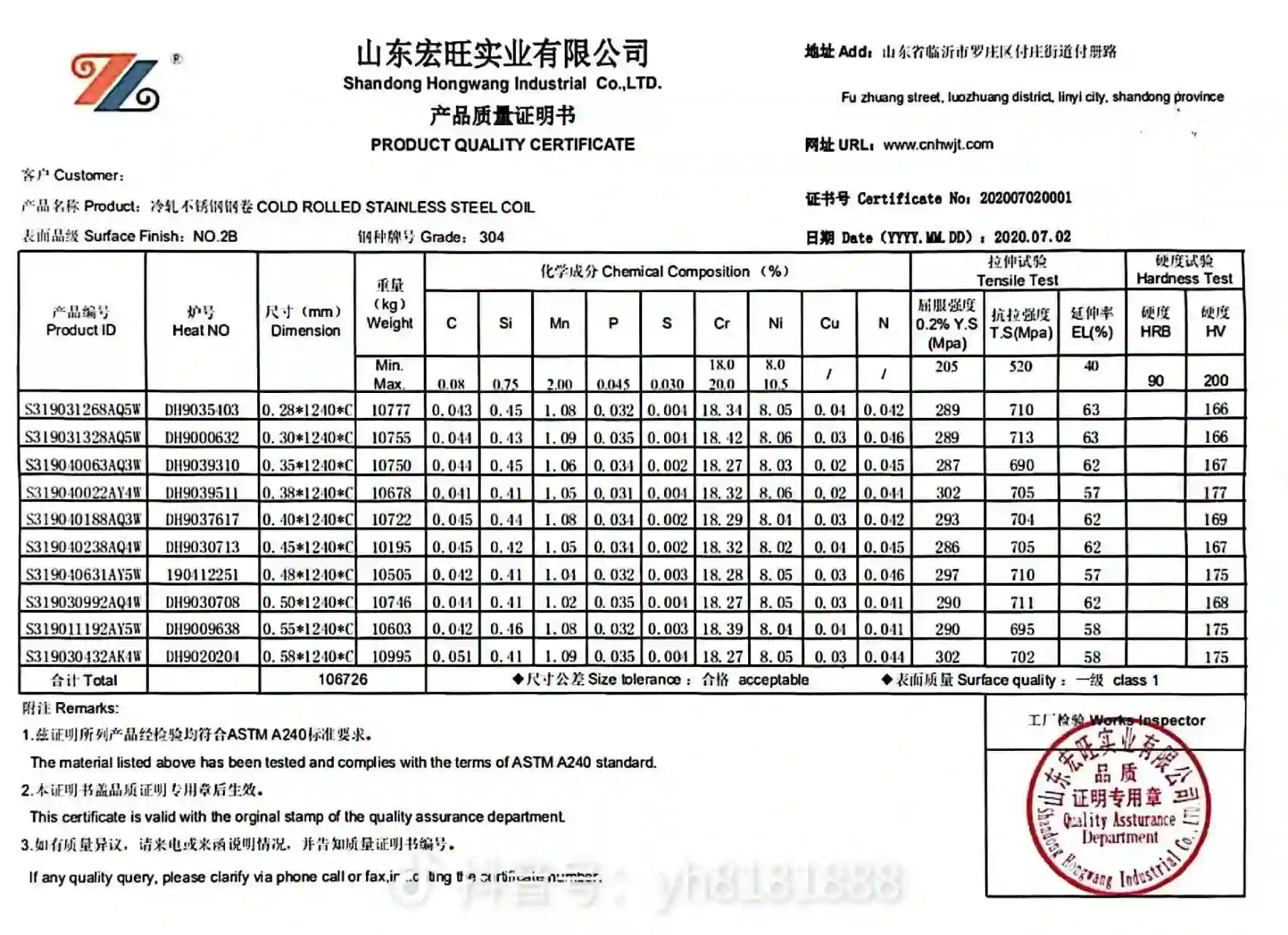
Before shipment release, connect the records:
1. The grade and standard on the MTC match the purchase order. 2. The heat number on the MTC matches the physical bundle label. 3. The same heat or traceable batch reference appears on the packing list. 4. Dimensional measurements identify the ordered item, size and sampled pieces. 5. Any agreed straightness, surface or cut-length check is reported separately.
The MTC checklist before shipment release covers this document trail in more detail.
Custom cutting, trial orders and export packing
Custom lengths can reduce waste when the buyer repeatedly cuts the same blank. They can also simplify packing for short, thin bars, provided the length tolerance and end condition are agreed in advance. For selected stock sizes, MOQ from 100kg is possible. Production diameters, special shapes, new dies or tight inspection requirements may need a higher quantity.
For buyers in Thailand, Vietnam, Malaysia and the Middle East, packing must suit the bar diameter, length and unloading method as well as the voyage. Thin bars need support against bending. Mixed sizes need clear bundle separation, and cut pieces may need boxes, cases or reinforced bundles rather than loose long-bar packing.
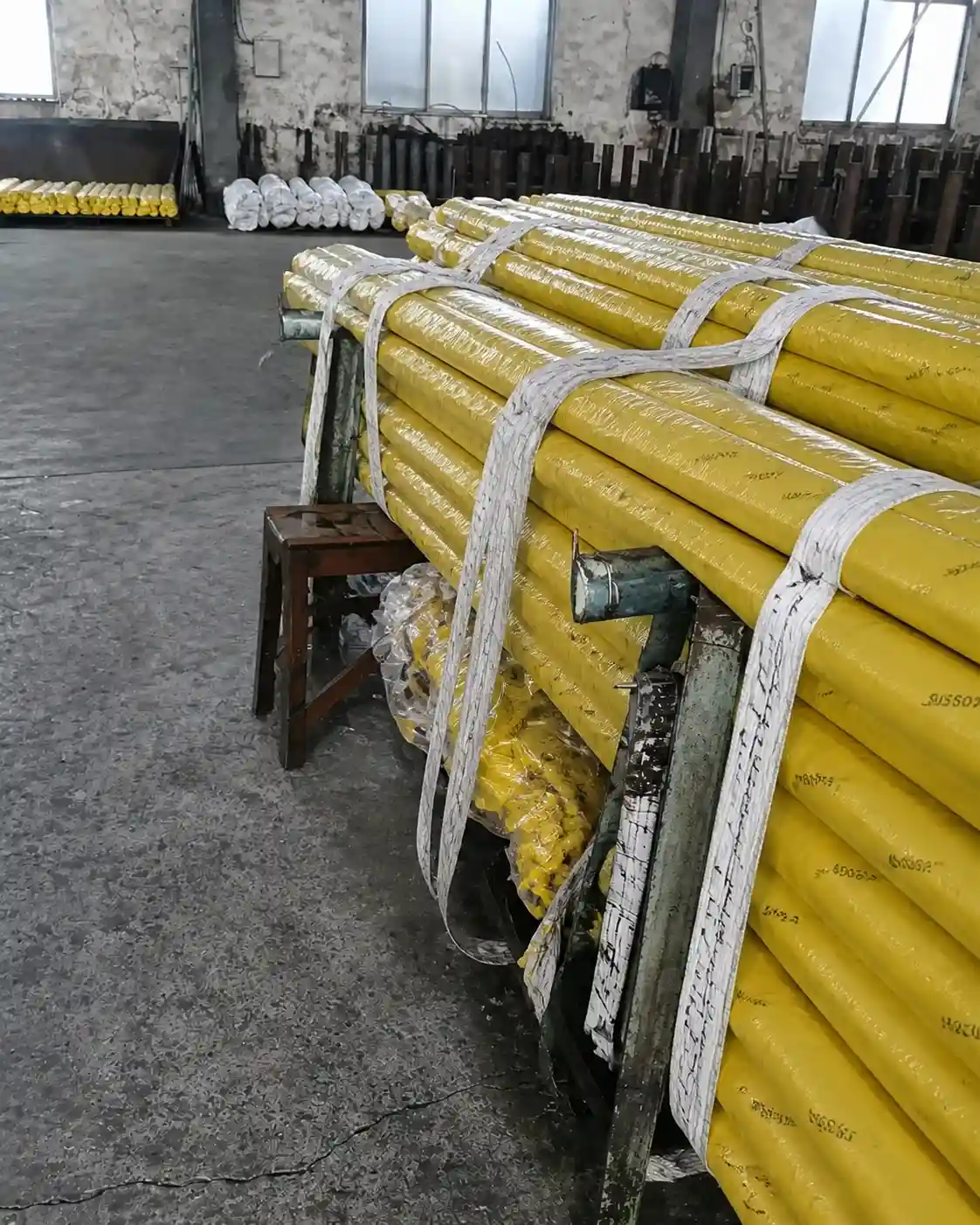
Before closing the bundle, we keep the grade, size, heat number or traceable batch reference, package number and quantity identifiable. The packing list should use the same item wording as the order so the receiving team can separate bars without relying on surface appearance.
Cold drawn, peeled, ground and hot-rolled bar are not the same route
Choose the starting condition according to what the next operation needs.
| Supply form | Practical fit | Important boundary |
|---|---|---|
| Cold drawn / bright | General machining, formed sections and parts needing improved size consistency | Specify actual tolerance, straightness and condition |
| Peeled / turned | Larger bars where scale and the outer layer should be removed before heavy machining | Confirm supplied diameter and remaining machining allowance |
| Centerless ground | Shafts, pins or bar-fed work needing controlled cylindrical diameter and smoother surface | State diameter limits plus separate form and roughness needs |
| Hot rolled | Forging stock or parts receiving substantial machining | Allow for broader size and surface variation |
The stainless steel round bar page compares these forms as supply options. A ground route can be unnecessary if the first operation removes the surface, while ordinary cold-drawn bar may be insufficient for a near-finished shaft with an explicit h9 callout.
RFQ wording example
Use the following as a starting structure and replace every value with the actual drawing requirement:
SUS304 cold drawn stainless steel round bar, diameter 8 mm, tolerance +0 / -0.036 mm, 1,500 mm fixed length, 500 kg. Please state straightness, cut-length tolerance, surface condition and end condition. MTC, heat-number labels and dimensional inspection record required. Standard export packing suitable for ocean freight. Destination: Laem Chabang, Thailand.
For hex or square bar, replace diameter with width across flats or side size. If h9 is required, write both the nominal dimension and applicable limits rather than relying on the tolerance-class name alone.
Common ordering mistakes
- Asking for “precision bright bar” without a nominal size and tolerance.
- Assuming cold drawing automatically includes h9, a roughness value or a straightness limit.
- Treating every cold-drawn route as solution annealed.
- Specifying 304L or 316L without matching the grade and heat number on the MTC.
- Writing 10 mm hex bar without saying the dimension is across flats.
- Requesting custom cutting but omitting length tolerance and end condition.
- Using an MTC as dimensional evidence instead of asking for measured values.
- Packing small-diameter or fixed-length bars without enough support or clear bundle labels.
What buyers should take away
Cold drawing is valuable when it gives the next operation a more useful starting size, shape and surface. The process name alone is not the acceptance standard. A sound order connects the grade and heat number to the material, states measurable dimensional requirements and defines how the bars will be cut, identified and packed.
Our workshop video and photos show the production and handling context behind this supply route. The final quotation still depends on the exact grade, shape, size, tolerance, length, quantity and inspection scope.
Frequently asked questions
Q. What does cold drawing do to stainless steel bar?
A. Cold drawing pulls prepared bar through a die to reduce and control its cross-section. It generally improves size consistency and surface condition compared with basic hot-rolled stock, while cold work can raise strength and hardness. The actual result depends on the grade, reduction schedule and any heat-treatment route.
Q. Does cold drawn stainless steel bar automatically meet h9 tolerance?
A. No. Cold drawn describes the manufacturing route; h9 is a specified dimensional tolerance. Put the nominal size and required limits on the RFQ and purchase order, then require measurements for the supplied batch. Straightness, roundness and surface roughness also need separate requirements when critical.
Q. Is every cold drawn stainless steel bar solution annealed?
A. No. Annealing depends on the grade, total reduction, required properties and ordered delivery condition. It may be used before drawing, between passes or as part of the final route, but buyers should not assume it is included. State the required condition and certificate wording on the purchase order.
Q. Can FX supply custom lengths and a 100kg trial order?
A. Yes, custom cutting and an MOQ from 100kg are possible for selected stock sizes. Availability depends on the grade, shape, size, tolerance, length, processing setup and current stock. Special dies or production sizes may require a higher quantity.
Q. What should buyers check before cold drawn bar shipment?
A. Check the ordered grade and standard, heat-number traceability, actual dimensions, agreed straightness and surface condition, cut length, end condition, bundle labels and packing. The MTC should match the heat number on the physical bundle and packing list.
Request a cold drawn bar quotation
Send the grade, standard, shape, size, tolerance, length, quantity, inspection needs and destination through the stainless steel bar quote page. We will check the available stock or production route, die and cutting requirements, MTC traceability and export packing before quotation.