
Start with the finished diameter
State the nominal diameter, dimensional tolerance and machining allowance. A diameter alone does not tell the supplier whether hot-rolled, peeled, cold-drawn or ground bar is needed.
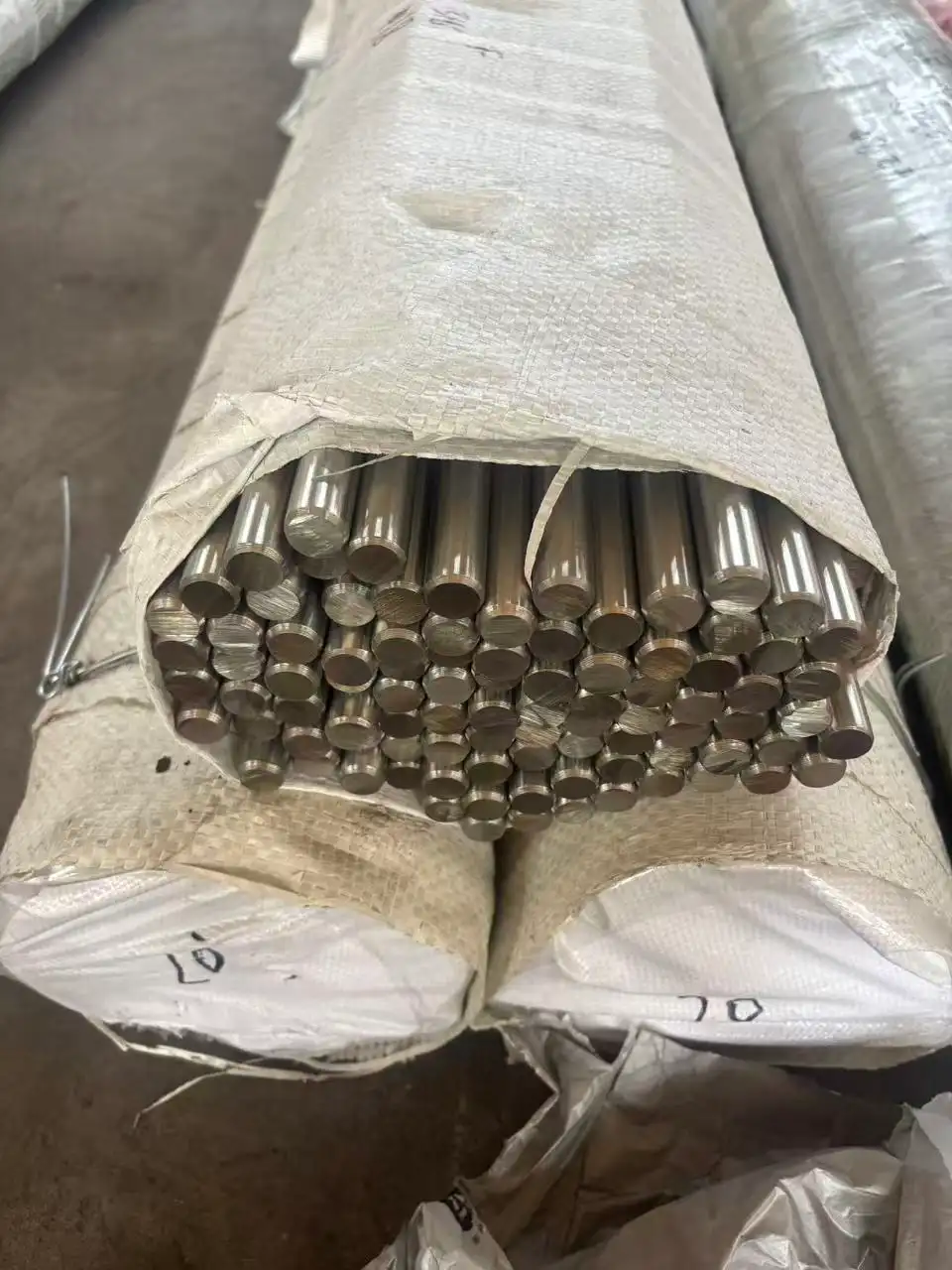
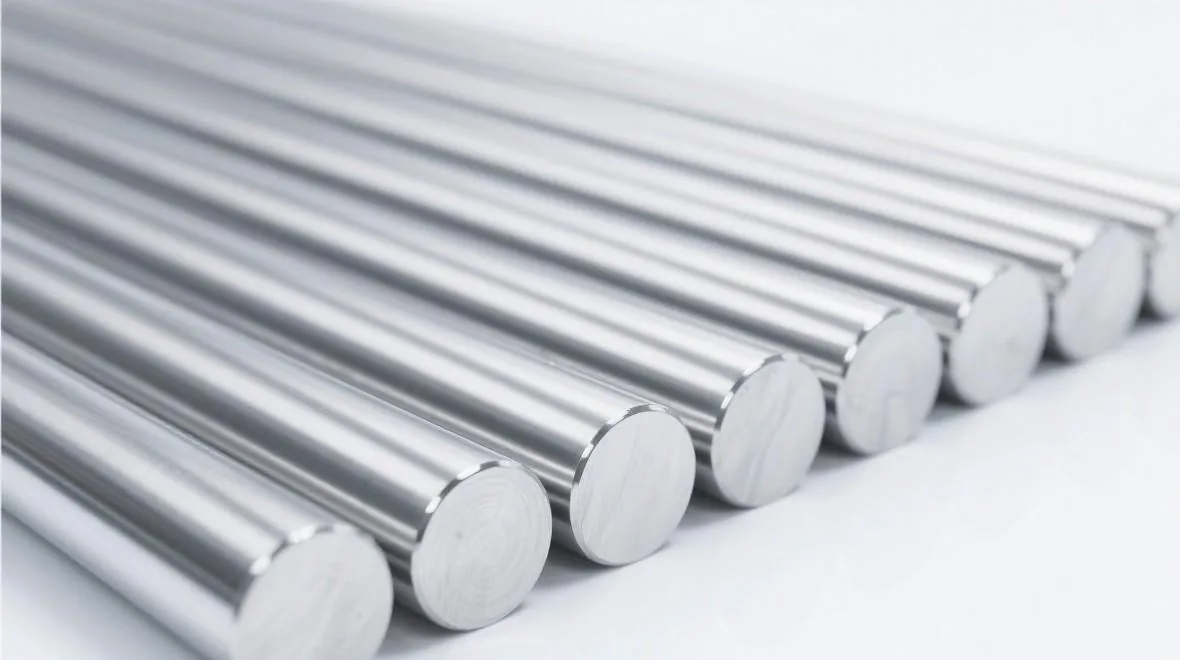
FX Stainless Steel supplies round bar from China for shafts, pins, bushings, fasteners and CNC-turned parts. Our overall stainless steel bar inventory exceeds 1,000 tons, with trial orders from 100kg available for selected stock sizes. Send the grade, diameter, tolerance, surface route, cut length, quantity and destination so we can confirm the available material and export packing plan.
Overall bar inventory
Diameter range by inquiry
Surface routes
Selected stock sizes
State the nominal diameter, dimensional tolerance and machining allowance. A diameter alone does not tell the supplier whether hot-rolled, peeled, cold-drawn or ground bar is needed.
Hot-rolled or peeled bar suits parts with turning allowance. Cold-drawn and centerless-ground routes serve different feeding, finish and tolerance requirements.
Add full or fixed length, cut tolerance, MTC, heat-number labels and destination marks so the bars arrive ready for receiving and production planning.
Two stainless steel round bars can share the same nominal diameter but require different machining time. Surface scale, damaged outer layers, straightness, roundness and actual tolerance affect how much material must be removed and whether the bar feeds smoothly into a lathe. Put the acceptance method on the RFQ or drawing when these points influence production.
State a numeric limit, an ISO tolerance class such as h9 or h10, or the exact drawing requirement.
Long bars need an agreed measurement length and method when bow would interrupt bar feeding or shaft machining.
A tight diameter reading at one point does not automatically confirm roundness along the full ordered length.
| Purchase Item | What to State | Effect on Supply |
|---|---|---|
| Grade and standard | 303, 304, 304L, 316, 316L or drawing wording; ASTM A276, ASTM A479, ASME SA479, JIS G4303 or another required standard | Keeps quotation, PO, MTC and bundle labels aligned without turning this shape page into a grade substitution claim |
| Diameter | Nominal diameter in mm or inch and the actual acceptance tolerance | Determines stock route, machining allowance and whether the bar fits a feeder, chuck or finished part plan |
| Straightness and roundness | Drawing limit, measurement length and inspection method where critical | Prevents a nominally correct bar from causing feeding, runout or shaft-machining problems |
| Surface route | Hot rolled, peeled or turned, cold drawn, polished, centerless ground, or supplier proposal | Changes scale condition, dimensional control, surface appearance and remaining machining stock |
| Length and ends | Full length or fixed pieces, length tolerance, saw-cut or other agreed end condition, burr requirement and piece count | Sets the cutting method, usable length, handling route and packing layout |
| Documents and packing | MTC, heat number, bundle labels, packing-list line, moisture protection and destination marks | Maintains batch identity when several grades, diameters or cut lengths share one shipment |
Enter grade, diameter, length and quantity to estimate theoretical order weight before requesting a quotation.
Round stock follows the geometry of shafts, rollers and rotating components, but straightness, runout allowance and final diameter still belong on the drawing.
Fixed cut blanks can reduce saw work when outside diameter, bore machining and end allowance are agreed before cutting.
Feeding stability depends on diameter tolerance, straightness, surface and cut length, not simply on whether the bar looks bright.
The starting diameter, grade, surface route and machining allowance should match the thread and head-forming process used by the buyer.
The lowest material price is not always the lowest machining cost. Compare quotations only after the surface route, tolerance, straightness and cut service describe the same deliverable.
| Round Bar Route | What Arrives | Buyer Check | Common Next Operation |
|---|---|---|---|
| Hot-rolled or forged bar | Mill surface with machining allowance; often used where more stock will be removed | Surface condition, diameter allowance, straightness and any required machining of the outer layer | Heavy turning, large blanks and general machined parts |
| Peeled or turned bar | Outer mill surface removed by a turning process | Finished diameter range, remaining defects, straightness and machining allowance | Shaft blanks and parts needing a cleaner starting surface |
| Cold-drawn bright bar | Cleaner surface and more controlled diameter than a basic hot-rolled route | Actual tolerance class, straightness, residual stress considerations and cut plan | CNC feeding, pins, fasteners and repeated turned parts |
| Centerless-ground bar | Ground outside diameter for tighter size control and smoother surface | Numeric tolerance, roundness, straightness, surface requirement and protective packing | Precision shafts, close-fit pins and reduced stock-removal work |
| Polished round bar | Additional surface treatment applied to an underlying bar route | Polish finish, scratches, diameter change and whether appearance or machining is the priority | Visible components and handling-sensitive applications |
We prepare full bars or fixed cut pieces according to the agreed size and quantity. For buyers in Southeast Asia, the Middle East and other export markets, the packing plan should keep each diameter, heat and cut length identifiable after handling at the destination warehouse.
State whether the saw cut is a rough blank allowance or a receiving dimension that will be inspected.
Photos and PO wording should show whether ordinary saw-cut ends are acceptable or further finishing is required.
Different diameters, grades and heats need clear tags and packing-list references rather than one generic bundle mark.
Bundle restraint, supports, moisture protection and destination marks depend on bar length, diameter and shipping method.
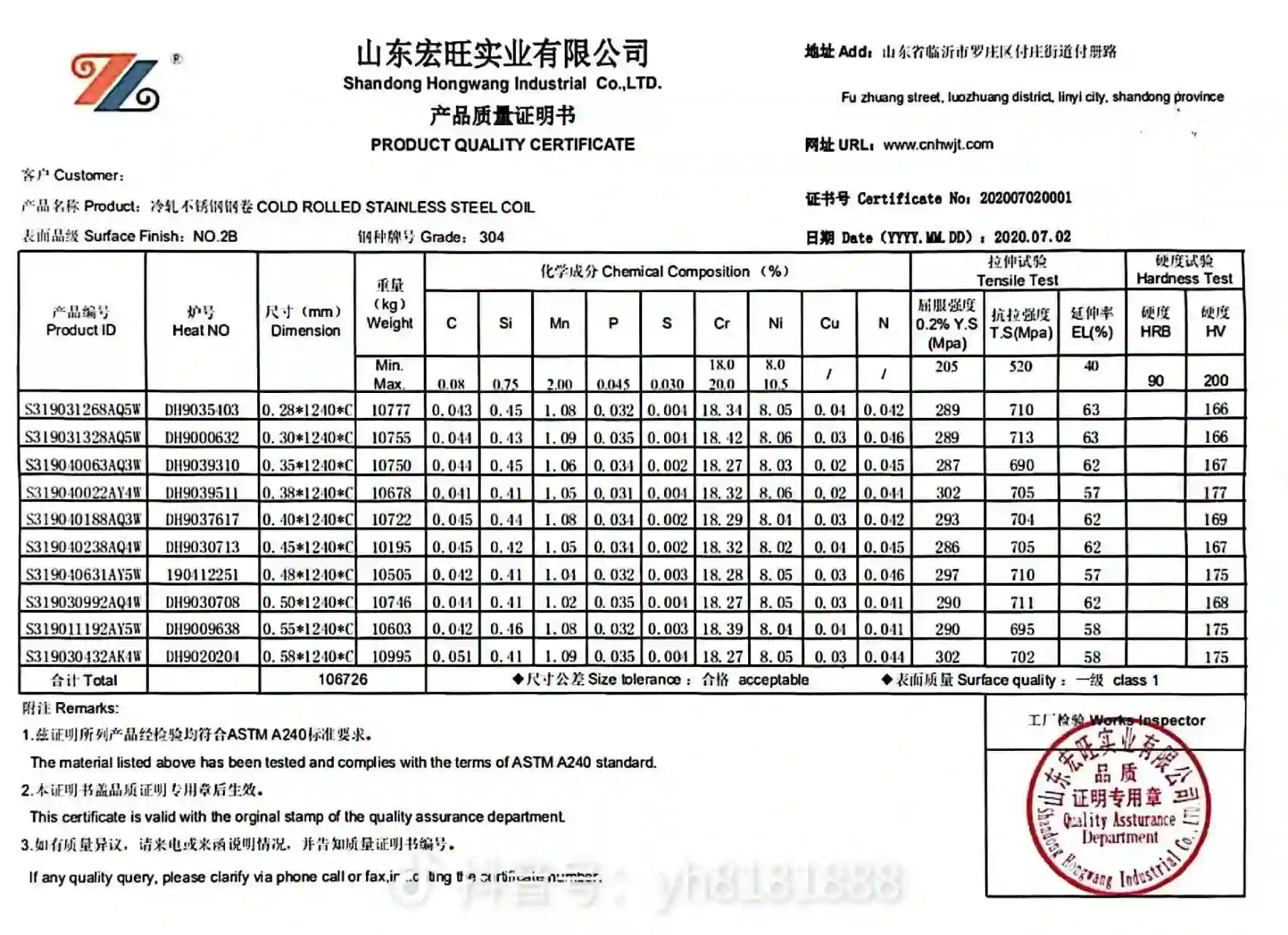
The MTC should carry the agreed grade and standard wording, chemical results and heat number. The same heat number must connect to the physical bundle label and packing list. The image shown here is an example certificate from one 304 batch; it demonstrates the checking method and does not represent every grade or warehouse heat.
Match the PO language rather than accepting a vague equivalent description after production.
The MTC, bundle tag and packing-list line must point to the same material batch.
Diameter, bar form and condition should be consistent with the documents available for the supplied batch.
Keep label photos and document copies with the inspection file before payment or shipment release.
See how grade, shape, process route, standard, tolerance and MTC fit into one complete bar specification.
Browse bar shapes, grades, processing routes, MTC requirements and export support.
Start here when chip control and repeated CNC turning drive the grade choice.
Check ASTM A276 304, SUS304, diameter, finish, cutting and MTC details for general industrial parts.
Use the grade-specific page when chloride exposure, molybdenum content or low-carbon wording matters.
Compare ground bar when tighter diameter, roundness and surface requirements reduce later stock removal.
Use the polished route when grit, Ra, visual appearance and scratch acceptance matter more than precision-ground diameter.
Match the starting shape to the finished geometry, clamping method and machining waste.
Confirm whether a general bar standard or pressure-related material specification belongs on the PO and MTC.
Check grade wording, chemistry, heat number, labels and packing list before releasing the cargo.
State the nominal diameter, unit and tolerance, followed by straightness or roundness requirements where they affect feeding or machining. Add the surface route and full or cut length.
It depends on the finished diameter and machining allowance. Hot-rolled or peeled bar suits jobs that remove more stock, while cold-drawn or centerless-ground bar may reduce preparation where tighter size and surface control are required.
No. The figure refers to our overall stainless steel bar inventory. Availability for a specific round bar still depends on grade, diameter, surface route, tolerance, length and the warehouse batch at quotation.
Yes, MOQ from 100kg is available for selected stock sizes. Send the grade, diameter, finish and cut requirement so we can confirm whether the requested batch supports a small order.
Yes. State the piece length, cut tolerance, end or burr requirement, quantity and labeling method. The practical cutting and packing route depends on diameter and total quantity.
The grade and standard wording, heat number and available product details should match the purchase order, physical bundle labels and packing list. Keep label photos before shipment release.
Share grade, standard, diameter, tolerance, straightness, full or cut length, quantity, application, MTC needs and destination. We will check stock availability, cutting options, batch documents and export packing.
Send Round Bar Inquiry