
Diameter decides the route
Small and medium diameters usually run as cold drawn stock, while larger sizes more often come peeled from hot-rolled parent bars. The practical route follows the diameter, not a catalogue promise.
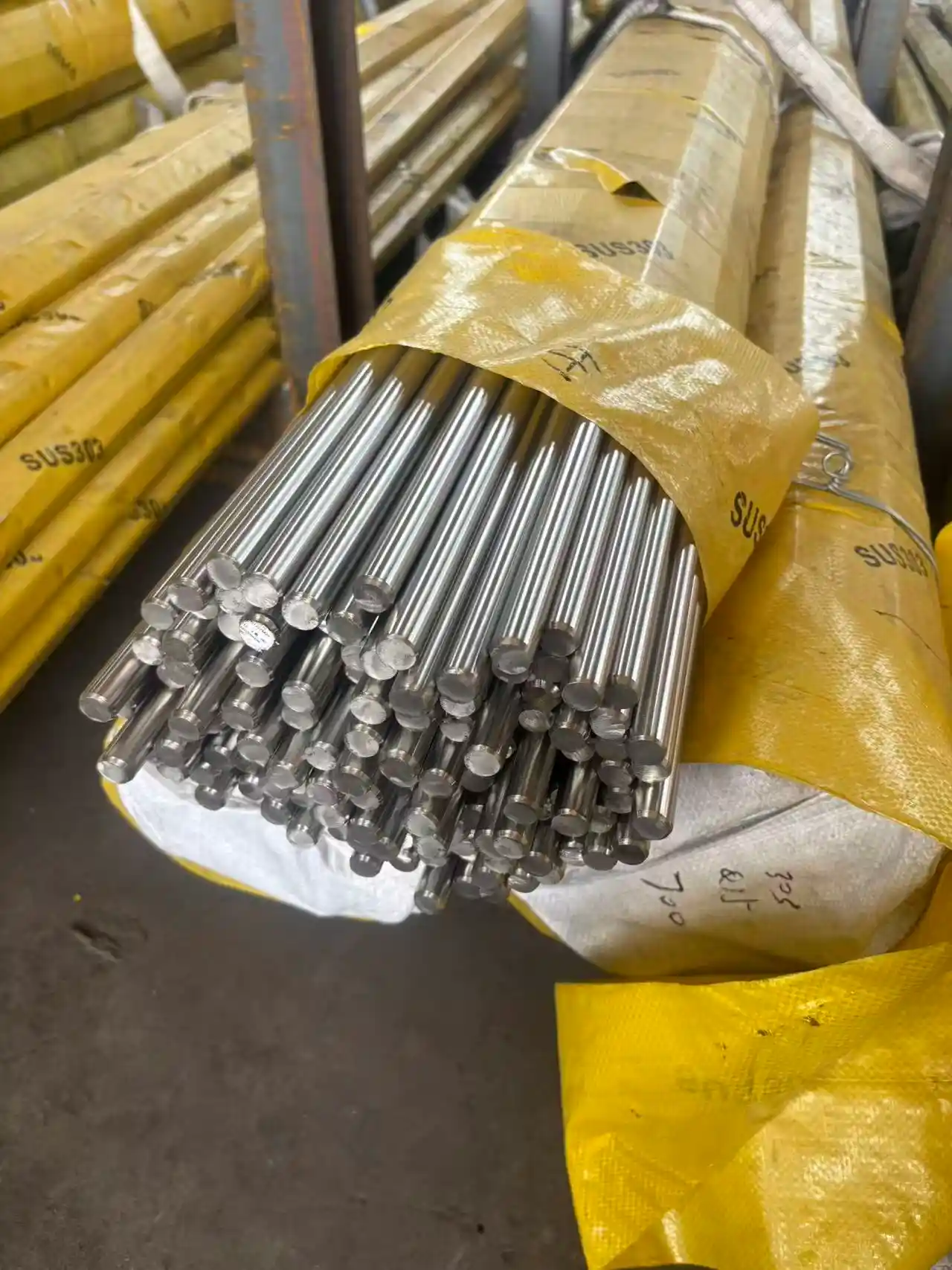
FX Stainless Steel supplies 303 stainless steel round bar to automatic-lathe shops and CNC workshops buying from China, with 3 to 100 mm available from stock and larger diameters by route. Tell us the diameter, the tolerance your feeding setup needs, and the lengths you want — cut-to-length, standard mill lengths or both — and we will confirm stock, cutting and packing with the quotation.
Free-machining grade
Routine diameters
Tolerance by route
Trial orders
Small and medium diameters usually run as cold drawn stock, while larger sizes more often come peeled from hot-rolled parent bars. The practical route follows the diameter, not a catalogue promise.
A magazine or collet feeder tolerates less runout than manual loading, so h10 or h9 matters more on bar-fed lathes than on chucking work. Write the tolerance you can actually hold at the machine.
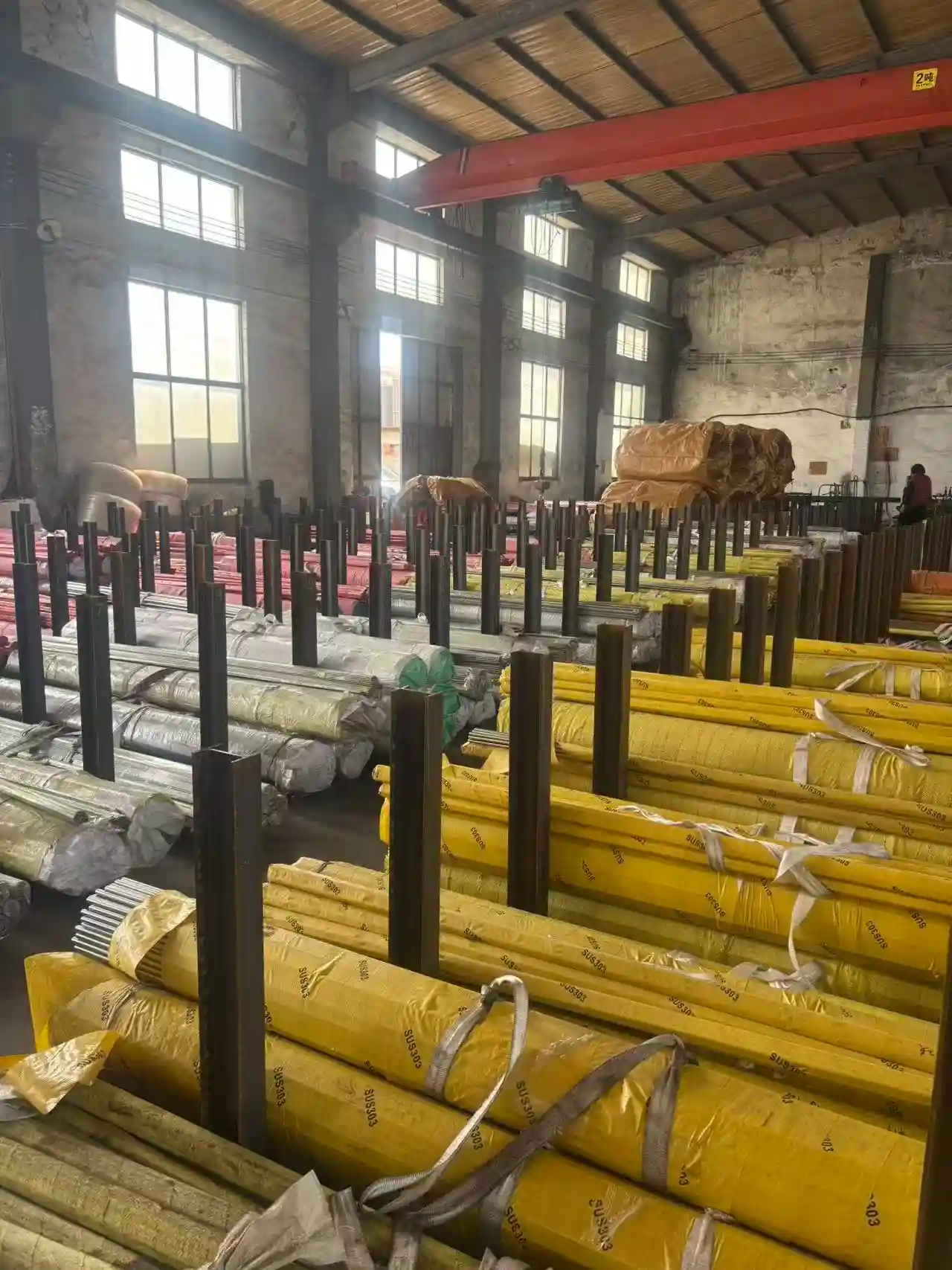
Standard 3 m or 6 m bars suit most feeding setups; cut-to-length pieces suit job shops and machining centers without feeders. Cutting adds kerf loss and end condition questions, so both belong in the RFQ.
Most complaints about 303 round bar start at the bar feeder, not at the cutting edge. A bar that wanders inside the guide channel causes vibration, surface marks on the part and stoppages that a workshop feels for the rest of the day. That is why we treat straightness, end squareness and burr condition as order parameters rather than extras: tell us whether the bar feeds through a guide bush, a magazine or a collet, and we will match the straightness and end treatment to your setup.
Bar-fed lathes need straighter stock than chucking work. Longer bars amplify every bend, so the straightness requirement should scale with the feeding length you run.
Saw-cut ends carry burrs that jam guide bushings. Deburring or end-facing is cheap to agree at the mill and expensive to discover at the machine.
Cold drawn bright bar runs smoothly through guides; rougher black or peeled surfaces suit chucking work better. Match the surface to how the bar enters the machine.
| Item | Common Supply | Buyer Note |
|---|---|---|
| Diameter 3 - 20 mm | Cold drawn, bright surface | The most economical zone for tight tolerance; drawing controls size well at these sizes |
| Diameter 20 - 100 mm | Cold drawn or peeled by stock | Confirm which route the current batch follows; h10 and below may depend on it |
| Above 100 mm | Peeled or turned from hot-rolled or forged bars | Review by diameter and quantity; tolerance expectations should be discussed before quoting |
| Tolerance | h11 standard, h10 or h9 by route and diameter | The tolerance the bar must hold is written in the PO, not assumed from the grade name |
| Lengths | 3 m / 6 m mill lengths, or cut-to-length pieces | Cut pieces need tolerance, end condition and the offcut rule agreed before cutting starts |
| Documents | MTC with sulfur value, heat number on labels | Sulfur drives machinability, so the chemistry line matters on every 303 batch |
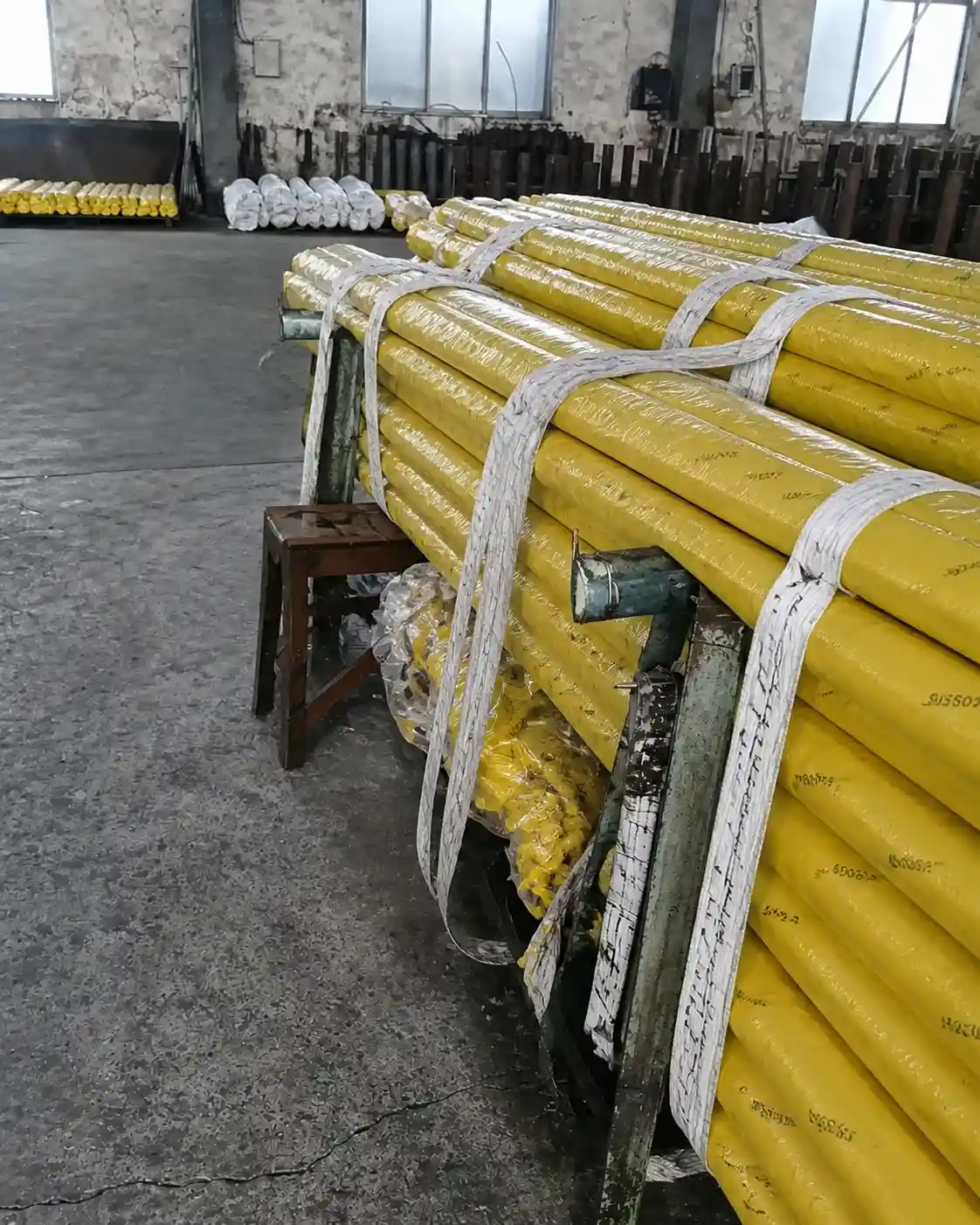
| Packing | Bundled, capped or wrapped ends, export packing | Sea-freight packing is planned for the route, not the workshop |
Repeat fittings, inserts and small turned components where shorter chips and steadier feeding keep spindle time up across a full shift.
Turned diameters with drilled or threaded details, where the bar's machinability matters more than maximum corrosion margin.
Pneumatic and hydraulic fittings, instrument parts and hardware that live indoors or in mild environments rather than coastal or chemical service.
Workshops testing 303 against 304 on their own machines can start from 100 kg, then scale the winning grade into repeat orders.
Both grades turn well on modern machines; the difference shows up in chip shape, tool life and where the parts will serve.
| Decision Point | 303 Round Bar | 304 Round Bar |
|---|---|---|
| Why buyers pick it | Sulfur addition gives shorter chips and longer tool life on repetitive turning | Better general corrosion margin at a similar price level |
| Where it wins | High-volume bar-fed work: fittings, inserts, small turned parts | Parts that see moisture, washdown or outdoor service |
| What to check on arrival | Sulfur value on the MTC, straightness, feeding behavior | Grade identity on certificate and tags, surface condition |
| Welding note | Not the choice for welded fabrications due to sulfur-related hot-cracking risk | The usual choice where welds are part of the job |
Tolerance and diameter are linked: the same h10 is normal at 12 mm and a special requirement at 80 mm. This table shows how the practical route shifts with size.
| Diameter Zone | Practical Route | Tolerance Typically Discussed | Buyer Note |
|---|---|---|---|
| 3 - 20 mm | Cold drawn bar | h9 or h10 common, h11 standard | Best zone for bar-fed automatic lathes |
| 20 - 60 mm | Cold drawn or peeled | h10 by route, h9 by agreement | Ask which route the batch follows before fixing the tolerance in the PO |
| 60 - 100 mm | Peeled bar from hot-rolled stock | h11 typical, h10 discussed | Drawing large diameters adds cost; peeled usually wins at these sizes |
| Above 100 mm | Turned or peeled from forged bars | By agreement | Review with the actual diameter and quantity; lead time depends on parent bar availability |
Both work, and the right choice depends on what happens after delivery. Feeder-equipped lathes want 3 m or 6 m bars; job shops without feeders often prefer bars cut to their blank length plus facing allowance. Cutting is a real production step: the saw consumes a few millimetres per cut, ends carry burrs unless deburring is agreed, and somebody owns the offcuts. We plan the cut list against parent bar lengths so the yield is priced in, not discovered at packing.
3 m and 6 m bars suit most feeder setups; confirm your guide channel length so remnant handling does not surprise the operator.
Give the blank length, facing allowance and end condition; the quote will name the cutting route and the piece count per parent bar.
Every bundle keeps its heat number tag, so cut pieces still trace back to the MTC the same way full bars do.
303 appears under more than one standard, and the wording on the PO should match what the certificate will say.
| Reference | Where It Fits | Practical Check |
|---|---|---|
| ASTM A582 | Free-machining stainless steel bar, the natural home of 303 round bar | Use when the drawing asks for free-machining bar wording |
| ASTM A276 | General stainless steel bar and shapes | Confirm whether the customer accepts A276 wording or insists on A582 |
| SUS303 / JIS | Common on Japanese-linked drawings | Keep the designation consistent across PO, MTC and labels |
| EN 1.4305 | European designation for the same free-machining grade | Match the MTC wording to the drawing instead of mixing systems |
Move to 304/304L when corrosion margin or welding matters more than the easiest cutting path.
Move to 316L for chloride, coastal or chemical exposure on turned parts.
The general round bar hub for shape, finish and multi-grade comparison.
The broader 303 grade page covering chemistry, MTC checks and hex bar options.
Machinability, chip control and tool-wear logic before the grade decision.
How the sulfur value behind machinability shows up on the MTC and at the machine.
What each tolerance band means for feeding stability and repeat diameter control.
How to write length tolerance, end condition and kerf loss into a cut-bar RFQ.
Yes. Cutting to length is a regular part of 303 round bar supply; the quote depends on diameter, piece count, end condition and how tightly the length must be held. Send the blank length and facing allowance and the quotation will state the cutting route and the yield behind it.
It depends on diameter and route. Cold drawn bar routinely holds h10 and often h9 at smaller diameters; larger peeled sizes are usually h11 territory. The tolerance the bar must hold belongs in the PO, and the route behind it belongs in the quote.
For repetitive turning, usually yes: the sulfur in 303 shortens chips and extends tool life, which shows up in spindle time on bar-fed work. For parts that will be welded, see moisture, or need corrosion margin, 304 is the safer choice.
3 to 100 mm is the common supply range, with cold drawn stock covering the smaller zones and peeled or turned routes covering the larger ones. Larger diameters are reviewed by diameter and quantity against parent bar availability.
Yes, EN 10204 3.1 MTC with heat number traceability is standard on our 303 bar shipments. For 303 specifically, the sulfur line on the certificate is worth reading: it is the element behind the machinability you are buying the grade for.
Yes. MOQ from 100kg and sample support cover selected diameters and finishes, which is enough to validate feeding behavior and surface finish on your own machines before scaling up.
Tell us the diameter, tolerance, finish, cut length or mill length, quantity and destination port. We will confirm stock, the cutting route, MTC and export packing with the quotation.
Contact Sales Team