Use it for defined indoor work
201 fits cost-sensitive decorative panels, dry-area covers and light fabrication when the buyer accepts the grade and corrosion exposure is limited.
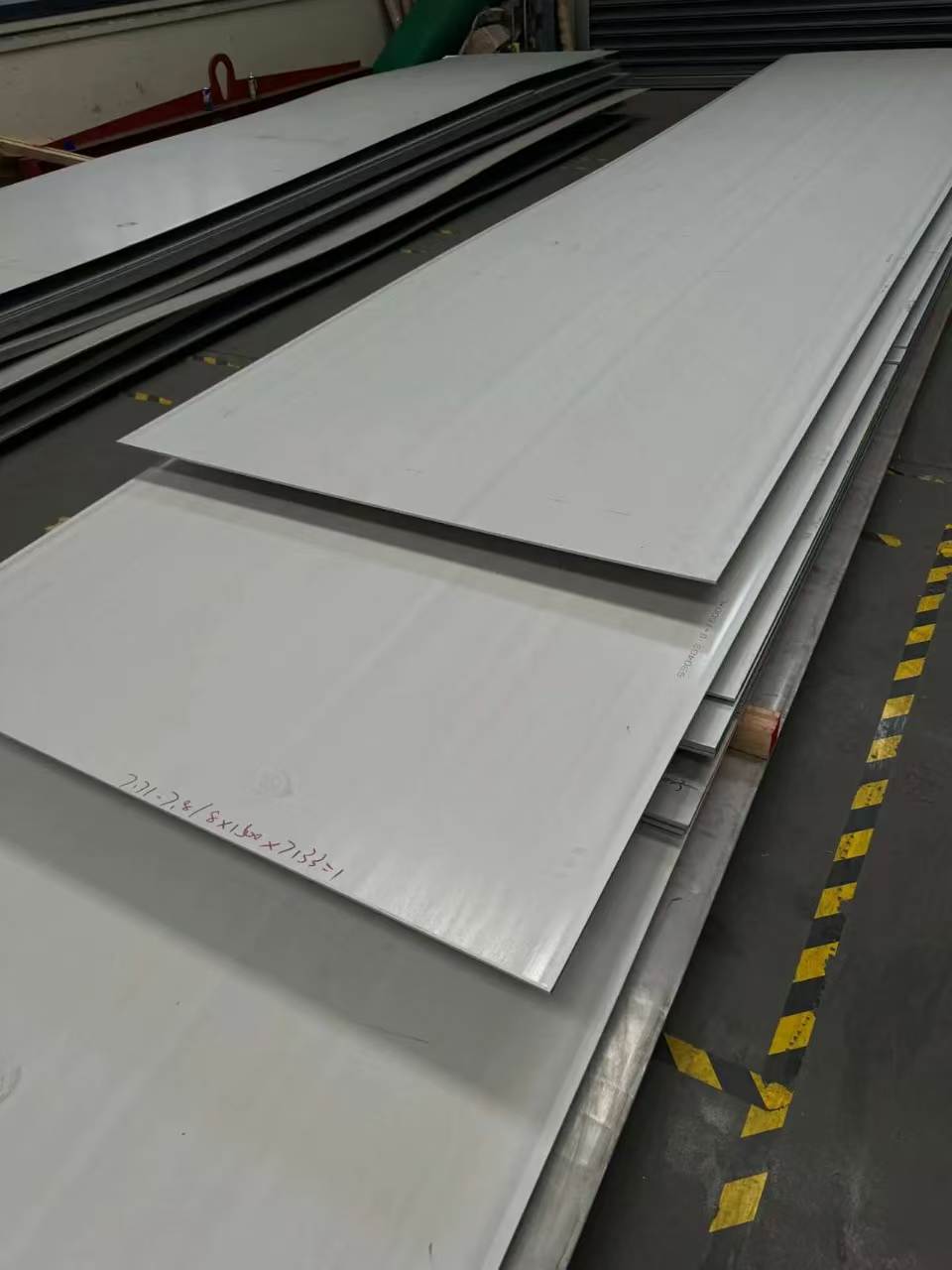
FX Stainless Steel supplies 201 stainless steel sheet and selected plate requirements from China for indoor panels, retail fixtures, trims and light fabricated covers. Buyers should state the end use, cleaning exposure, surface, protective film and whether 201 is the required grade or only an alternate to 304 before comparing prices.
Grade wording
Cold-rolled finishes
Primary application boundary
Grade traceability
201 fits cost-sensitive decorative panels, dry-area covers and light fabrication when the buyer accepts the grade and corrosion exposure is limited.
If the drawing or PO says 304, 316L or another approved grade, 201 must be presented as a separate alternate and approved before supply.
MTC, heat number and labels establish the grade route. Surface, grain direction, film and packing control what the buyer sees at receiving.
201 generally uses more manganese and less nickel than 304, but the exact chemistry must come from the applicable standard and MTC. That alloy route can reduce material cost in some markets, while also giving 201 less corrosion margin than 304 in many wet, chloride-bearing or outdoor conditions. Final selection belongs to the drawing, service environment and buyer approval process.
A commercial price comparison does not authorize a material substitution.
Outdoor weather, coastal air, chlorides and chemical cleaning require a different material decision from dry indoor decoration.
MTC chemistry, heat number, sheet labels and packing list should connect before shipment release.
| Purchase Item | What to State | Receiving Consequence |
|---|---|---|
| Grade identity | 201, SUS201, ASTM A240 Type 201 or exact drawing wording | The MTC, physical labels and packing list should identify the same grade route |
| Product and size | Cold-rolled sheet or selected plate route, thickness, width x length and tolerance | Prevents sheet, plate and cut-size assumptions from being mixed |
| Surface finish | 2B, BA, No.4, HL or project finish; No.1 where a hot-rolled route is specified | Controls appearance and determines which comparison sample is meaningful |
| Directional finish | Grain direction, acceptable color variation and sample approval where needed | Important when adjacent decorative panels must look consistent after installation |
| Protective film | Film type, side, peel requirement and whether laser film is needed | Film choice affects forming, laser cutting, storage and adhesive residue risk |
| Documents and packing | MTC, heat number, labels, inspection photos, moisture protection and destination marks | Supports grade traceability and reduces surface damage disputes after sea freight |
Use thickness, width, length, quantity and grade density settings to estimate theoretical order weight before quotation.
201 may fit wall panels, trim and non-critical decorative covers in dry interiors when the finish and grade are buyer-approved.
BA, No.4 or HL surfaces may be specified for display frames and shop-fitting parts that are not exposed to aggressive cleaning or outdoor weather.
Light covers and guards can use 201 where the environment, cleaning method and fabrication route do not require the corrosion margin of 304 or 316L.
Buyers comparing cost should request the same thickness, size, finish, film, quantity and destination while keeping the two grade lines clearly separated.
This comparison supports RFQ communication. It does not replace the project specification, corrosion assessment or end-user approval.
| Buyer Question | 201 Sheet Route | 304 Sheet Route | Required Action |
|---|---|---|---|
| Are they the same grade? | No. 201 belongs to the 200-series alloy route | No. 304 belongs to the 300-series alloy route | Use separate quotation and PO lines |
| How does chemistry differ? | Generally higher manganese and lower nickel than 304 | Different chromium-nickel chemistry without 201 being an equivalent | Check the actual MTC against the ordered standard |
| Where does 201 fit best? | Defined indoor, decorative and light-duty work with limited corrosion exposure | Broader general-fabrication use where the specification accepts 304 | Describe the real environment before selecting either grade |
| Can surface appearance identify the grade? | No. A polished or 2B surface does not prove 201 | No. Similar finishes can appear on 304 | Match MTC, labels and heat number; add PMI when substitution risk justifies it |
| Is 201 always cheaper? | Market quotations may be lower because of the alloy route | Price depends on nickel, mill, surface, size and quantity | Compare current like-for-like quotes rather than assuming a fixed saving |
| Can a magnet confirm 201? | No. Cold work and structure can affect magnetic response | No. 304 may also show some magnetic response after processing | Do not use a magnet as the grade acceptance test |
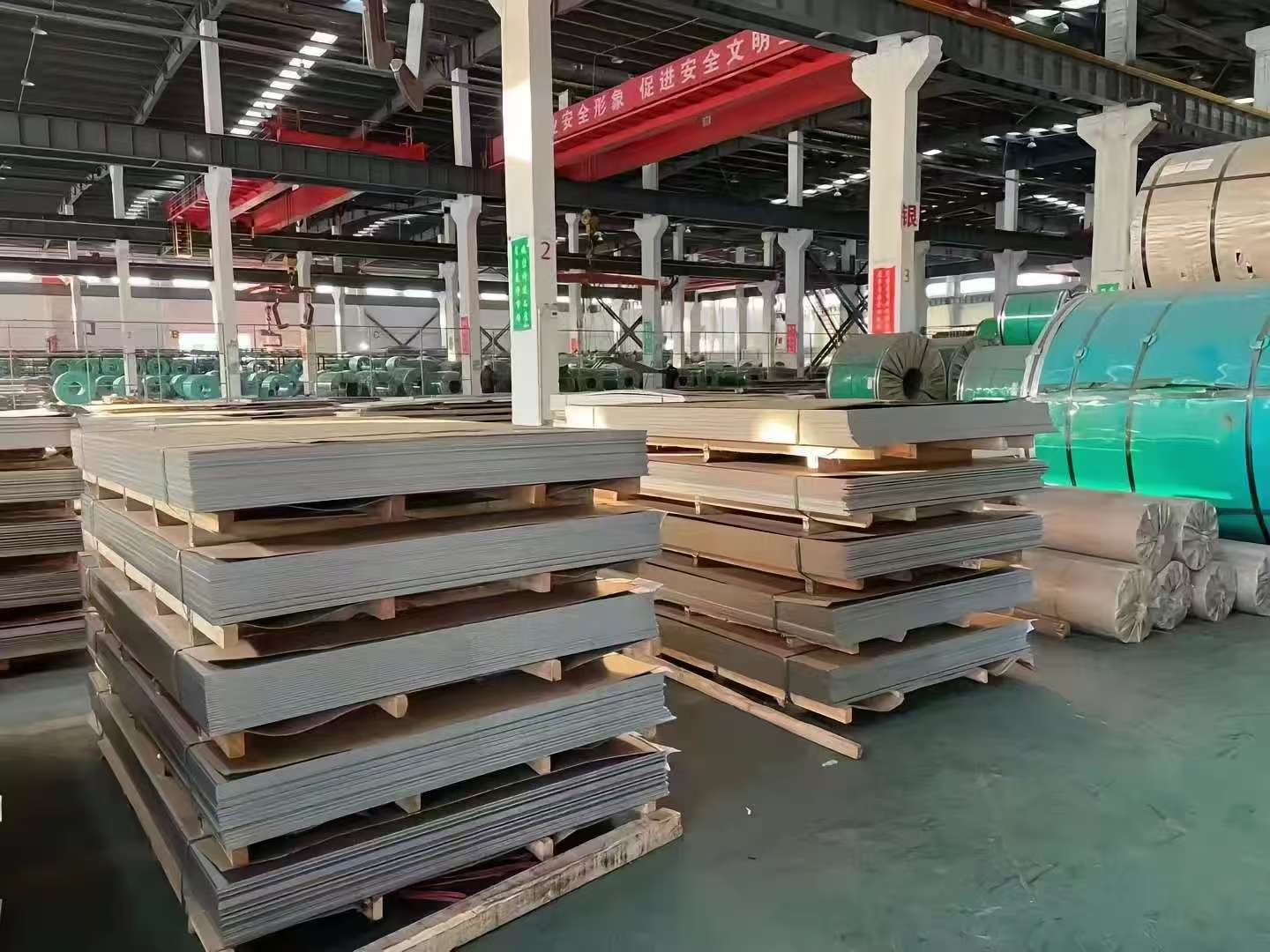
A generic stainless steel photo cannot prove 201 grade identity. Grade evidence comes from documents and traceability, while physical inspection confirms dimensions, finish and packing condition. For visible panels, ask for representative photos or a sample under agreed lighting before the full order is released.
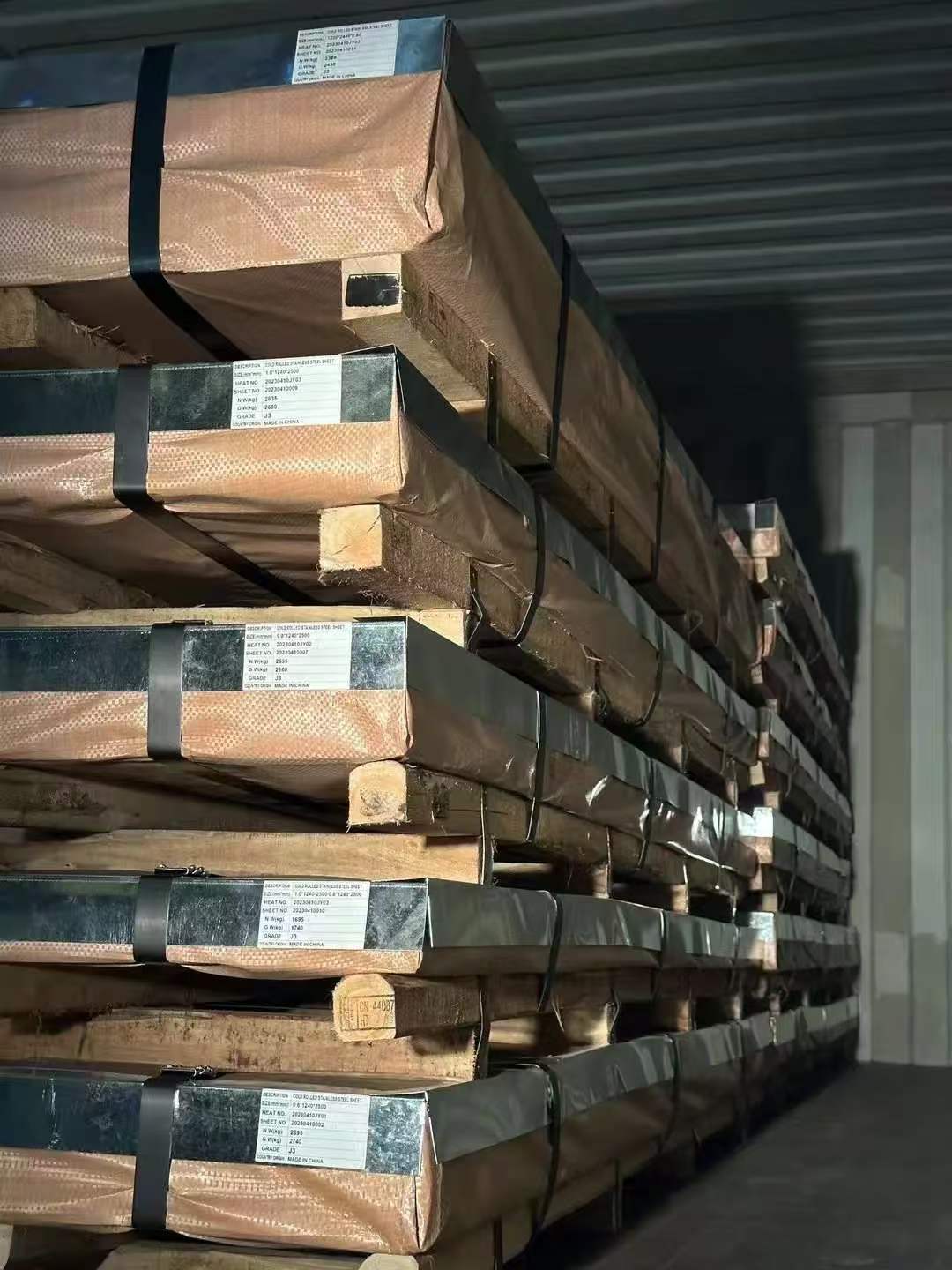
Heat number, grade wording, sheet or pallet labels and packing-list lines should connect.
Check the agreed tolerance and inspect diagonals or squareness when cut panels go directly to installation.
No.4 and HL sheets need consistent grain direction across adjacent visible pieces.
Look for scratches, dents, film lift, adhesive concerns and color variation before unpacking damage obscures the cause.
Cut edges, burrs, corner damage and sheet distortion can affect forming and assembly.
Waterproof wrapping, pallet support and clear marks reduce moisture and handling risk during sea freight.
Browse common grades, finishes, processing and export supply routes.
Compare 304 when the project needs greater corrosion margin or explicitly requires the 304 grade route.
Compare a ferritic, magnetic sheet route where the drawing and application accept 430.
Specify 2B, BA, No.4, HL, mirror, grain direction and protective film more clearly.
Check thickness, surface, MTC, packing and shipment details before comparing suppliers.
Match grade wording, chemistry, heat number, labels and packing list before cargo release.
Estimate theoretical sheet or plate weight from thickness, width, length and quantity.
No, not automatically. If the drawing or PO requires 304, 201 must be quoted as a separate alternate and approved against the real service environment before supply.
It is commonly considered for dry indoor decorative panels, retail fixtures, trims and light covers where the buyer accepts 201 and corrosion exposure is limited.
It is generally not the preferred route for coastal, chloride-bearing, chemical or demanding outdoor service. Material selection should follow the project environment and engineering requirement.
Use exact grade wording, MTC chemistry, heat-number-linked labels and the packing list. PMI may be added when the cost of grade substitution justifies another check. Surface appearance or a magnet alone is not enough.
Common inquiry finishes include 2B, BA, No.4 and HL. Actual supply depends on thickness, dimensions, quantity, grain requirement and protective film.
Send grade and standard, thickness, width x length, tolerance, finish, grain direction, film, quantity, indoor application, MTC or inspection needs and destination. State clearly if 201 is only an alternate to 304.
Share whether 201 is required or an alternate to 304, plus standard, thickness, width x length, finish, grain direction, film, quantity, MTC or inspection needs and destination. We will confirm a practical supply and packing route.
Send 201 Sheet Inquiry